
Roof gutters are best chosen by first considering the slope, area, and the place where the water will safely drain.
A drainage system is not just a gutter, pipe, and a few brackets, but a quiet protection for the facade, eaves, foundations, and the entire roof. In this article, we will go through size, shape, material, installation details, and the most common mistakes when choosing gutters for a pitched roof, without unnecessary theory. In the end, you will know what to look for when comparing roof gutter prices, seamless gutter installation prices, metal gutters, downpipes, and accessories.
In short: for a small and simple slope, a more compact system often works well, but for a wide roof, long eaves, many bends, or heavy water collection, it is wiser to consider a larger gutter, more drainage points, and sturdy brackets. The shape is chosen according to the look and detail of the eaves. The material is selected based on the roofing, facade, budget, and expected maintenance.
Drainage system for pitched roofs without guessing
The first question is simple: what gutter should I choose for the roof to prevent overflow during heavy rain? The answer starts with the slope. The faster the water runs off the roofing, the more important it is for the gutter to catch it cleanly, without splashing back onto the fascia board or facade.
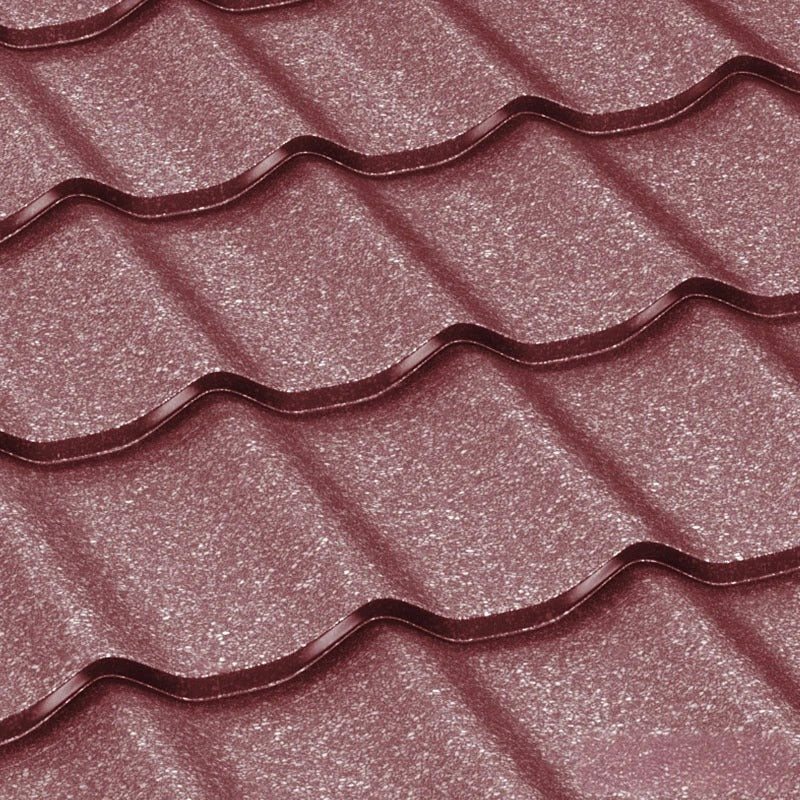
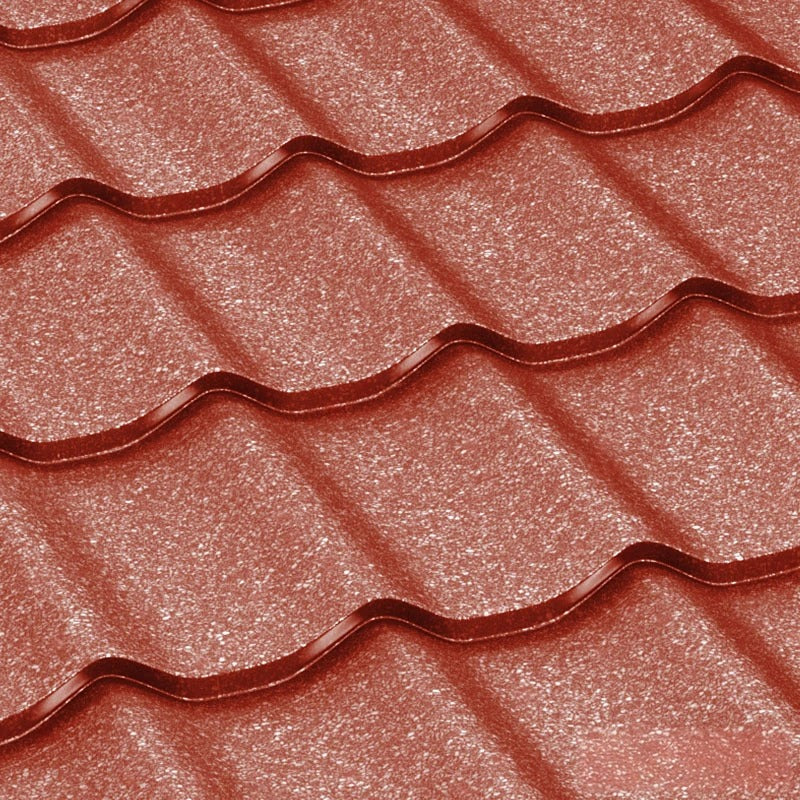
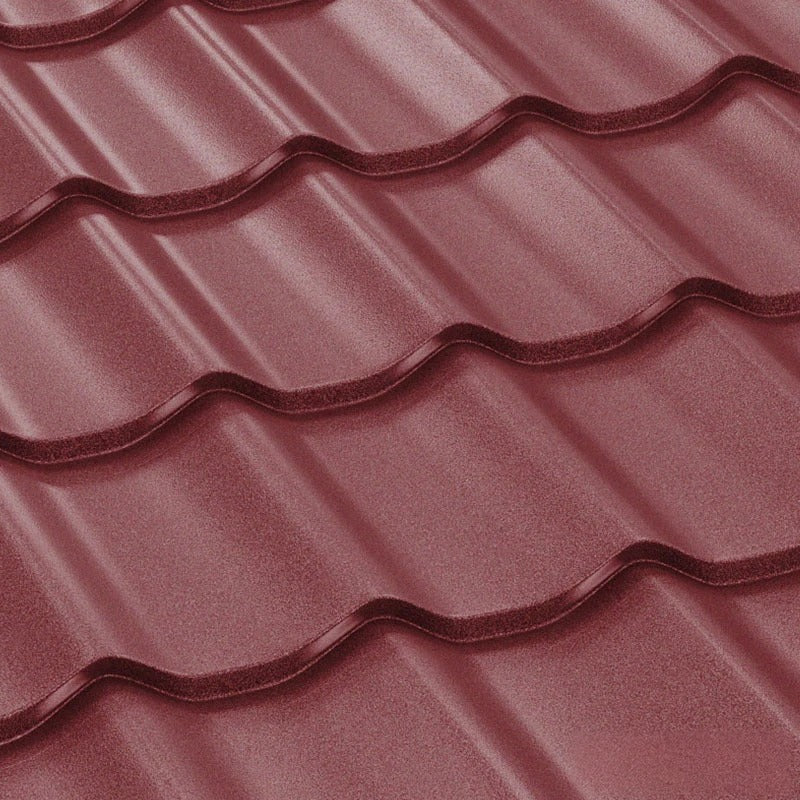
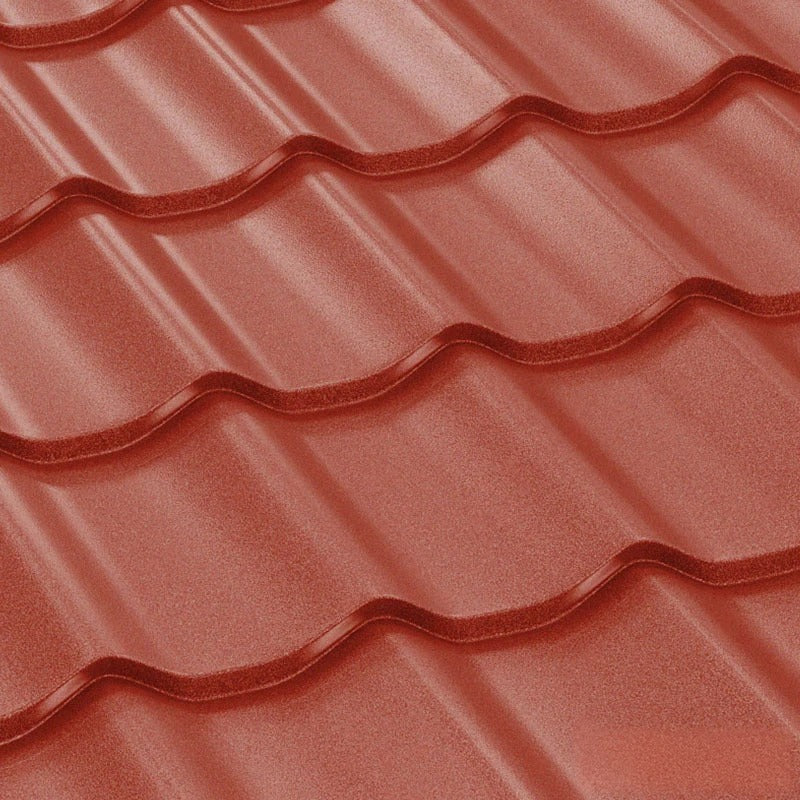
For Pitched roofs, there is a big difference between a small house with straight eaves and a large roof with dormers, valleys, chimneys, and long drainage lines. If the roof has Metal tiles, water moves quickly over the smooth surface. With Bitumen tiles, the drainage may seem gentler, but a significant volume of water still accumulates during prolonged rain. Therefore, the size should not be chosen "by eye." That may be convenient but ends up costly.
Gutter size according to water from the slope
The gutter size depends on the area feeding it. A short eave collects less water than a long facade line. For a larger roof, it is good to consider not only the gutter width but also the number of downpipes, funnels, rainwater heads, and elbows. If all the water is pushed toward one pipe, the system may overflow even if the gutter looks large enough.
In the Drainage system, you can select metal gutters, downpipes, pipe brackets, funnels, external corners, internal corners, connectors, gutter end caps, and elbows. This is important because a good system is not made only of a beautiful gutter. It is made of compatible parts that work together.
Seamless gutters or classic drainage system
When someone asks, "Which is better — seamless gutter or classic metal gutter?" the correct answer is: it depends on the roof, facade, and installation method. Seamless gutters are preferred when a clean line along the eaves and fewer joints along the length are desired. They look neat on modern houses, halls, canopies, and facades where the visual detail is part of the overall architecture.
Classic drainage system is practical when you want standard parts, easy replacement of individual components, and a wide selection of accessories. A metal gutter with glossy, matte, or zinc coating can be combined with roofing sheet metal, sheet metal tiles, facade sheet metal, or cladding. During roof repairs, this is often the most convenient option because the entire roof is not always replaced from scratch.
Gutter shape according to building style
The shape is not just a matter of taste. The semicircular gutter looks softer and more classic. Sharper lines give a more modern look and often fit well with metal roofs, facade panels, and cladding. For a house with a traditional roof, a classic solution may look better, while for a canopy, warehouse, industrial building, or new house with a clean facade, the seamless profile often looks calmer.
If the eaves are visible, also consider Eaves cladding. They make the transition between the roof, fascia line, and gutter more finished. With a poorly chosen color, the gutter looks like a patch. With a well-chosen color, it almost disappears or deliberately highlights the roofline, depending on the effect you want.
Gutter material and its relation to roofing
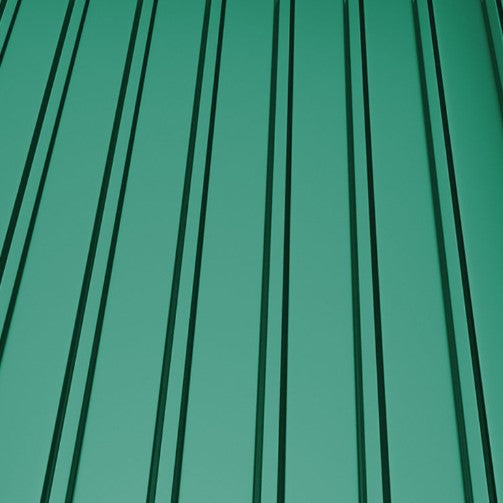
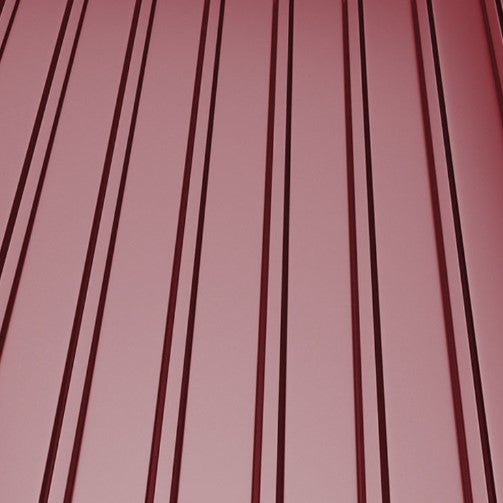
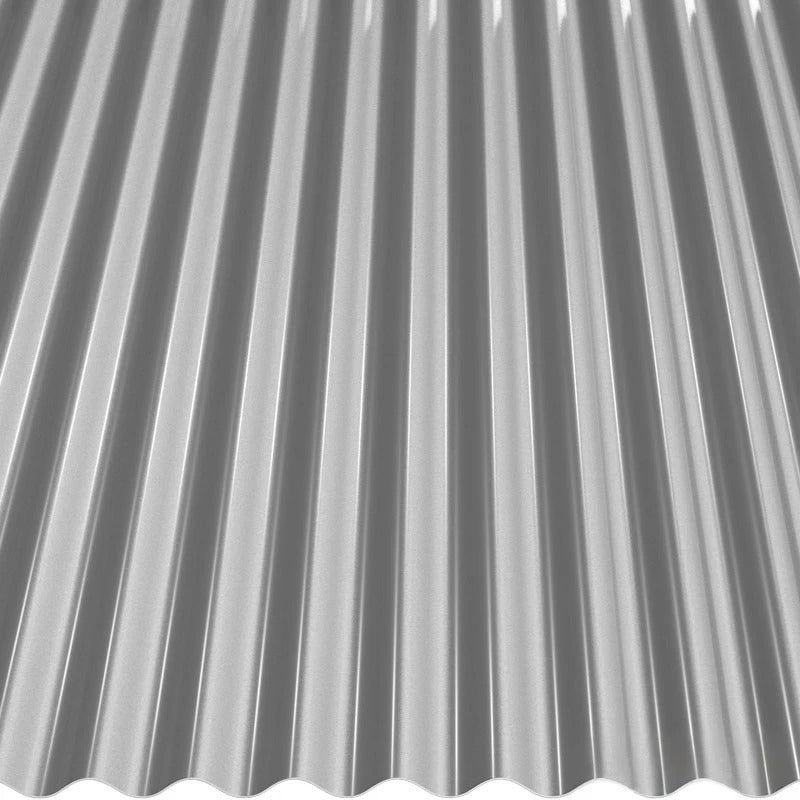
The material must withstand water, snow, sun, temperature changes, and mechanical stress. Metal gutters are often chosen for their durability, clear appearance, and good match with Roofing sheet metal, metal tiles, and standing seam roofs. For Profiled sheet metal, drainage should be planned before final installation because each long slope line carries more water to a specific area.
For more complex roofs, the gutter material should be coordinated with the cladding plan. The chimney, valleys, fascia sheet metal, under-gutter flashing, and side roof cladding are not minor details. They determine whether the water will be directed to the gutter or find a strange path behind it. And water always finds its way.
Where people most often make mistakes
- Choosing a gutter only by color, without considering the slope and water catchment area.
- Saving on brackets, causing the gutter to sag under snow or heavy rain.
- Installing too few downpipes on a long eave.
- Not coordinating the gutter with under-gutter flashing and eaves cladding.
- Comparing only gutter price without calculating funnels, elbows, rainwater heads, caps, and fasteners.
For a stable result, also check Fastening elements, because a good drainage system relies on details that are almost invisible. The same applies to Installation instructions when you want to understand the logic of arrangement before ordering.
How to prepare an order for roof gutters
Before ordering, measure the length of the eaves, mark where the water can drain to the ground, and check for bends, internal corners, external corners, or chimneys that change the flow. If you ask, "What gutter size is needed for a house with a large slope?" the most accurate answer comes after photos and measurements. This shows not only the length but the entire logic of the roof.
At Lativa.bg, you can combine gutters, downpipes, and accessories with other roofing materials instead of searching for each item separately. This is convenient for roof repairs in Sofia, metal tile installation, sheet metal roof installation, roof with bitumen tiles, or facade renovation. If the project includes insulation, check Insulation; if a complete solution is needed, see also Roof repairs.
Quick question and answer for easy choice
Question: How do I choose roof gutters if I don’t understand roofs?
Answer: Start with three things — how big is the slope, where will the water drain, and what type of roofing do you have. Then choose a system where the gutter, pipes, brackets, funnels, rainwater heads, and elbows are compatible. Don’t buy just “one pipe and one gutter” because the roof works as a system.
Final gutter choice that protects the facade
Good roof gutters are not always visible but are felt during every heavy rain. They keep the facade cleaner, channel water more controlled, and reduce the risk of wet spots around the eaves. The best gutters are not necessarily the most expensive or the flashiest. They are the ones that fit the slope, material, and the real way water flows off the roof.
Lativa.bg offers solutions for drainage systems, seamless gutters, classic metal gutters, roofing materials, and related accessories with delivery depending on the type and volume of the order. For small and compact orders, courier delivery can be used, and for larger orders, suitable transport is arranged. This helps when ordering for Sofia, Plovdiv, Varna, Burgas, or any other city in Bulgaria.
If you want a reliable choice without unnecessary hesitation, check Drainage system, compare it with Seamless gutters, and send an inquiry via Contact. The Lativa.bg team will help you select the size, shape, material, and necessary accessories so that your roof looks complete and drains water properly. Order now and prepare your roof before the next heavy rain.