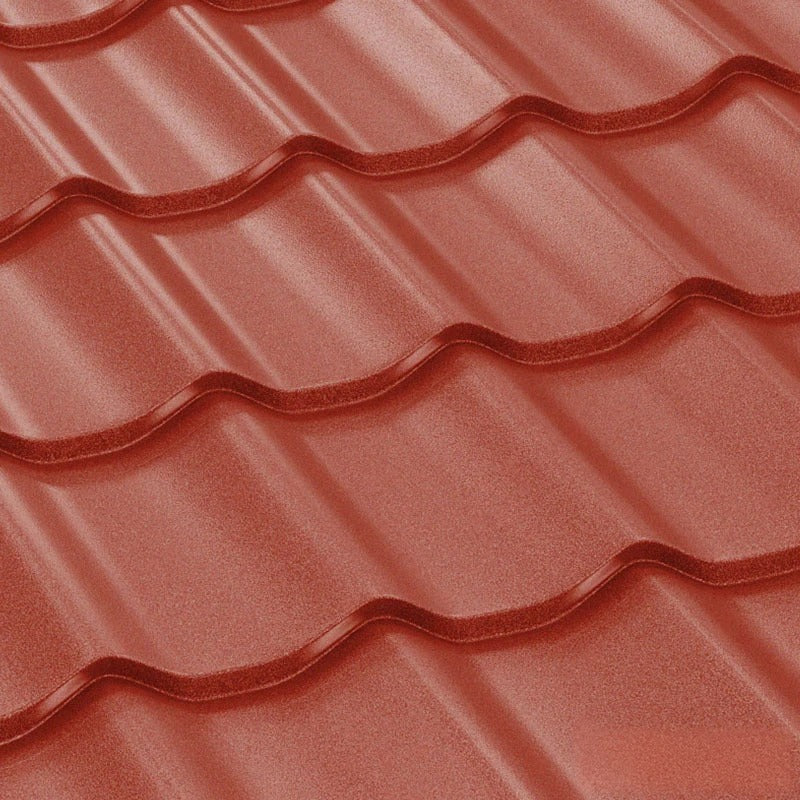

A roof thermal panel is often the smarter choice when a garage, warehouse, or hall needs to be covered quickly, cleanly, and with good insulation from day one. A roof sandwich panel combines an outer metal layer, an insulating core, and a finished bottom surface into one product, saving separate operations, unnecessary cutting, and a lot of stress on site. With sheet metal and separate insulation, you can also get a durable roof, but the system becomes more layered: profiled roofing sheet metal, substructure, mineral wool or other insulation material, vapor barrier, interior cladding, and more fasteners. For a small garage, this is sometimes acceptable. But for a warehouse or hall, every additional step means more time, more details, and a greater chance that something will go wrong.
At Lativa.bg, the choice is not just between “cheap” and “expensive,” but between a roofing system that fits the actual use of the building. If the space will store a car, tools, machines, goods, or equipment, roof thermal panels offer a neater solution. They appear as a finished ceiling inside, reduce the need for additional interior cladding, and look more orderly in places where order is sought, not just coverage. To start, check out Thermal Panels, and for direct roofing application see Roof Thermal Panels.
When does the thermal panel win? When you want roof, insulation, and a finished look in one system. When does sheet metal with separate insulation make sense? When the building is simpler, unheated, budget-driven, and interior appearance is not important. For a garage, warehouse, or hall with daily use, the thermal panel usually delivers a cleaner result.
Roof sandwich panel for garage: fewer layers, clearer installation
People often ask about garages: “Thermal panel or sheet metal for the roof, which to choose?” If the garage is just a car shelter, without the need for thermal comfort and without sensitive items inside, Roofing Sheet Metal may be sufficient. But if the garage is also used as a workshop, small storage, place for tires, tools, or equipment, a thermal panel for garage is a neater option. There is no separate installation of insulation under the sheet metal, no need to think later about how to hide the mineral wool, how to reinforce interior cladding, and how to avoid sagging.
When installing roof thermal panels, the panel lies as a ready element on the structure. This helps with small and medium projects where the owner wants quick execution but no compromise on appearance. It is important that the structure is properly sized, the slope matches the project, and joints and fasteners are executed precisely. For additional details, check Fastening Elements, because a good panel and weak fasteners are not a good pair, honestly.
Insulated panels for warehouse: when temperature and condensation matter
For warehouses, the decision is no longer just visual. There are often goods, packaging, tools, spare parts, furniture, or machines. Even if the space is not heated constantly, sharp temperature differences can create unpleasant conditions. A roof thermal panel with an insulating core helps maintain a more stable interior environment, while sheet metal with separate insulation depends heavily on the quality of each layer. If the vapor barrier is interrupted, if the mineral wool is compressed, or if the claddings are done hastily, the result is less reliable.
Here comes the important question: “Which is better for a warehouse – thermal panel or sheet metal with mineral wool?” The answer is simple. If the warehouse should look finished, be used regularly, and be easy to maintain, roof thermal panels are more practical. If it’s a temporary shelter or cold space without special requirements, a sheet metal roof price may seem more attractive. But consider the whole system, not just the initial purchase. Otherwise, cheap sometimes ends up costing extra work.
Thermal panels for halls with larger areas
For halls, the difference is even more noticeable. The large area requires fast installation, repeatable detail, and fewer wet or slow processes. Installing sandwich panels for the roof is suitable when the structure is prepared and a large roof area must be closed without unnecessary delay. Also, the bottom side of the panel remains finished, which is a plus for production, logistics, and storage spaces. With sheet metal and separate insulation, more coordination between different materials is often needed, and in large projects every mistake multiplies.
If the project includes walls, don’t miss Wall Thermal Panels. This way, the roof and facade can follow a clearer logic. For additional facade solutions, there is also Facade Sheet Metal, when a metal exterior look is desired without a full insulating system.
Sheet metal with separate thermal insulation: when it still makes sense
Not every building needs a thermal panel. If the roof is an open shelter, agricultural building, temporary warehouse, or space where temperature is not important, profiled roofing sheet metal can do the job. In very specific constructions, separate thermal insulation also offers freedom: you can choose the type of insulation, thickness, interior cladding, and detail according to the project. Then it makes sense to consider Profiled Sheet Metal and Thermal Insulation.
But with this option, more details must be considered: how the insulation will be fixed, whether there will be a ventilation gap, how the edge zones, gutters, ridge, wall connections, and openings will be treated. If these things are not clear in advance, pure installation with a thermal panel may be the calmer path. Especially when repairing a roof, when time is limited and the owner does not want the site to remain open for long.
How to ask correctly when comparing systems
Which roof is better for a garage – thermal panel or sheet metal? If the garage is enclosed and will store items, the thermal panel is more convenient. What to choose for a warehouse that is not heated constantly? Insulated roof panels provide better stability than bare sheet metal. Does it make sense to install roof thermal panels on a hall? Yes, when you want quick closure of the area, a finished interior surface, and fewer separate layers. Where can I check delivery and conditions? See Delivery Information and Frequently Asked Questions.
Roof thermal panels and a finished roofing system
A roof is not just a panel or sheet metal. Proper claddings, gutters, edge details, wall connections, and good drainage are needed. If water is missed, everything else starts to suffer. For a garage, warehouse, or hall, Drainage System, Seamless Gutters, and claddings around edges often go together. For more complex roofs with transitions, chimneys, or old coverings, it is wise to also consider Roof Repairs.
For pitched structures with a different look, you can also compare Metal Tiles, especially when the building is closer to a residential style. For more technical buildings, warehouse bases, and halls, the thermal panel often looks more logical because it does not try to imitate a classic roof but solves a practical problem. This is also why the request to Lativa.bg is clearer when you specify what the building will be used for, what the slope is, and whether a more stable temperature inside is sought.
Choosing a thermal panel for the roof according to the actual building
For a garage, the leading factors are usually a clean look, easy maintenance, and protection of items. For a warehouse – environmental stability and quick execution. For a hall – repeatable installation, larger area, and a finished system. These are three different needs, but a roof thermal panel meets all three when properly selected. Don’t choose just based on the word “price.” Compare total labor, additional materials, need for interior cladding, installation time, and future maintenance.
If you already have a project, dimensions, or photos of the building, send an inquiry through Contact. See the solutions at Lativa.bg, compare thermal panels, roofing sheet metal, and necessary accessories, and choose a system that won’t make you fix details after the first season. For a garage, warehouse, or hall, a good roof should be clear before installation – material, insulation, drainage, and finishing. This way, the decision is more reliable, neater, and much easier to maintain later.