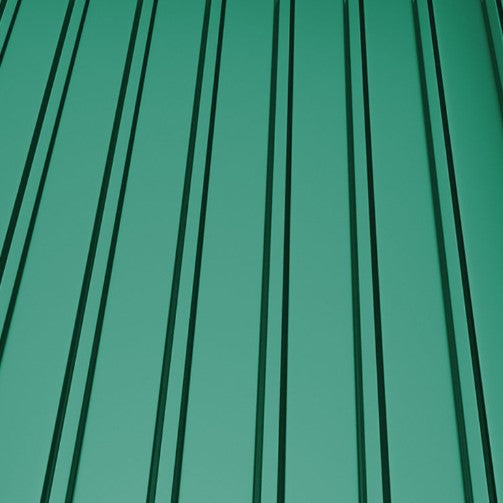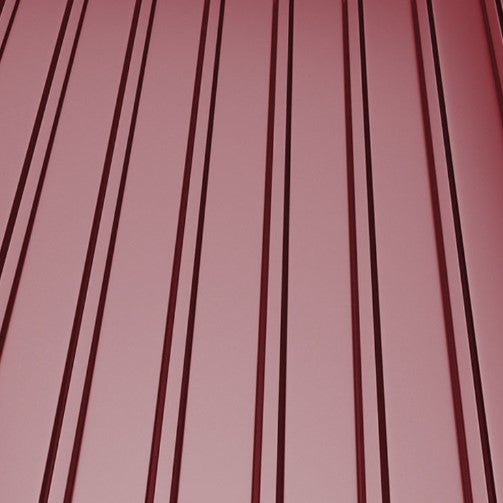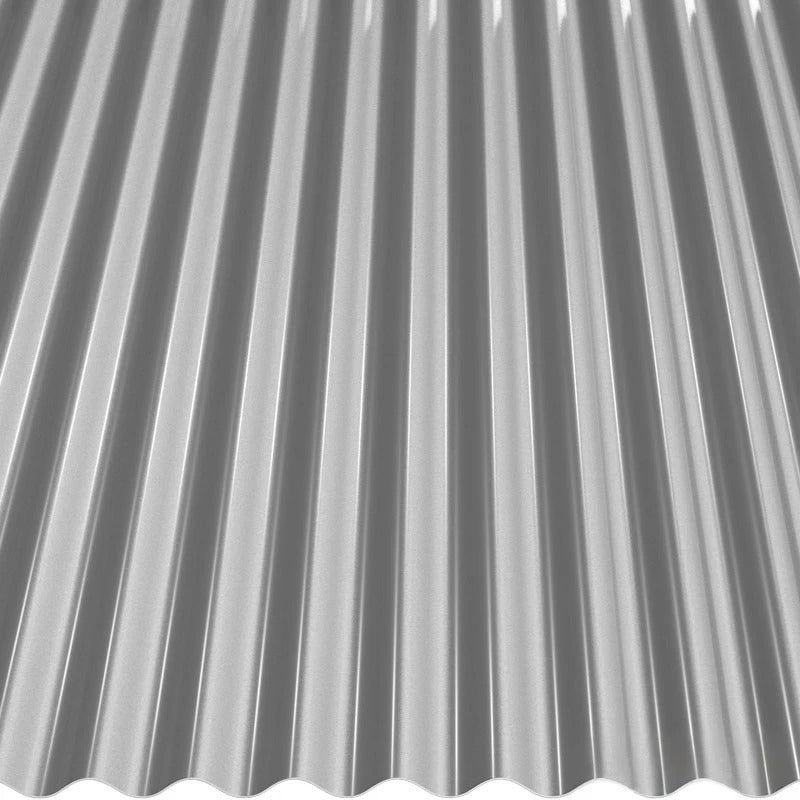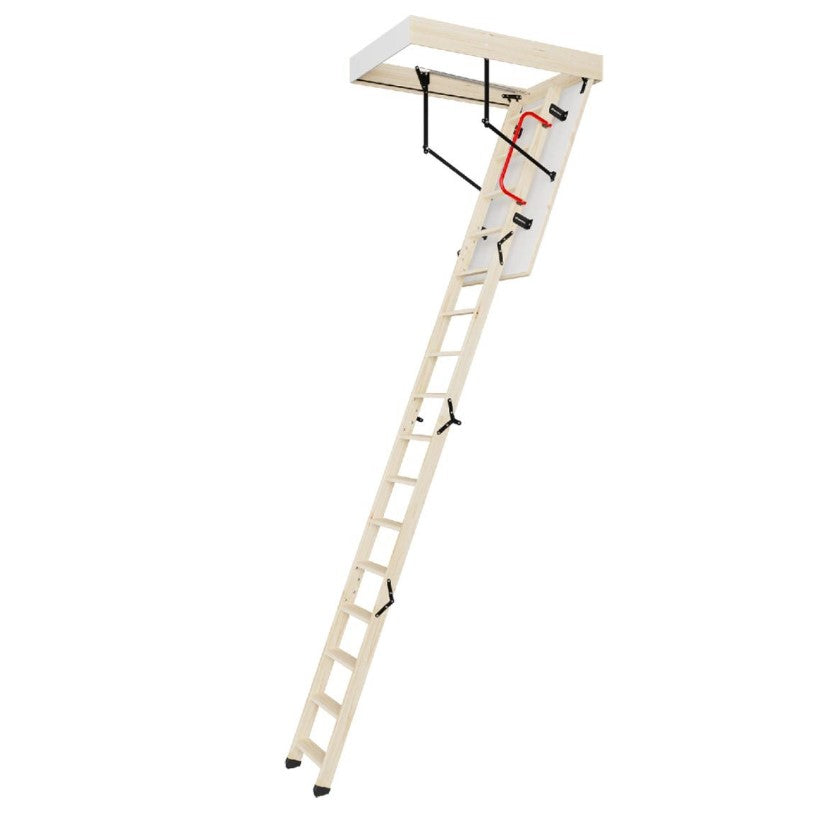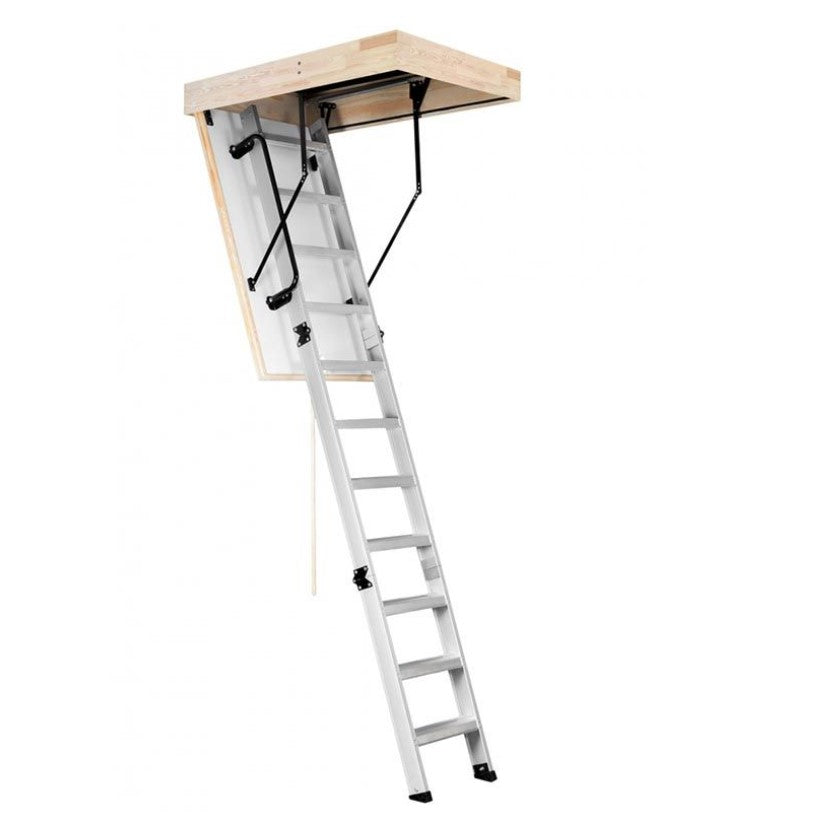

Types of thermal panels is a topic that sounds technical but actually solves something very simple: how to make a roof or facade faster, cleaner, and more organized. Sandwich panels, thermal panels, and insulation panels are often used as similar terms, but they do not always mean the same thing in a real project.
In short: roofing thermal panels are designed for roof structures and water drainage, wall thermal panels are for facades and exterior walls, and sandwich panels is the more general name for a finished panel with two outer layers and an insulating core. At Lativa.bg you can explore different solutions depending on whether you are building a hall, garage, warehouse, house, canopy, or renovating an existing building.
In this article, we will go through the differences without heavy jargon: what a roofing thermal panel is, when the wall version is more appropriate, what affects thermal panel prices, how to think about installing thermal panels for roofs, and why fasteners, claddings, and drainage are not minor details but part of the whole system.
Sandwich panels and thermal panels for a modern building
Thermal panels are ready-made construction panels where the outer layers protect and the inner core insulates. That is why people often search for them as sandwich panels, thermal panels, insulation panels, facade panels, or roof panels. The idea is one: instead of layering many separate layers, you get a finished element that combines covering and insulation in one.
Question: What is a sandwich panel? Answer: it is a panel with a layered structure used for roofs, facades, halls, warehouses, and auxiliary buildings when fast installation and a clean line are desired.
Here it is important not to look only at the word price. Thermal panel prices, sandwich panel installation, and thickness choice go together. A thinner panel may be good for one project but not for another. For a roof, for example, you need to consider slope, structure, length of the slope, fastening, and drainage. For a facade, appearance, joint quality, hidden installation, and clean finishing around openings become more important.
Roofing thermal panels for roof and canopy
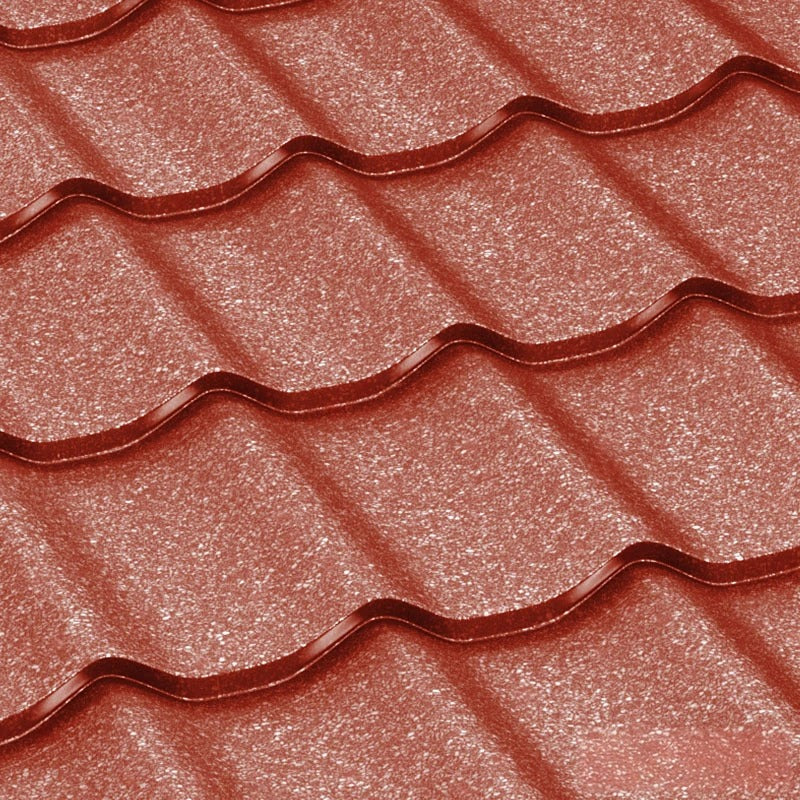
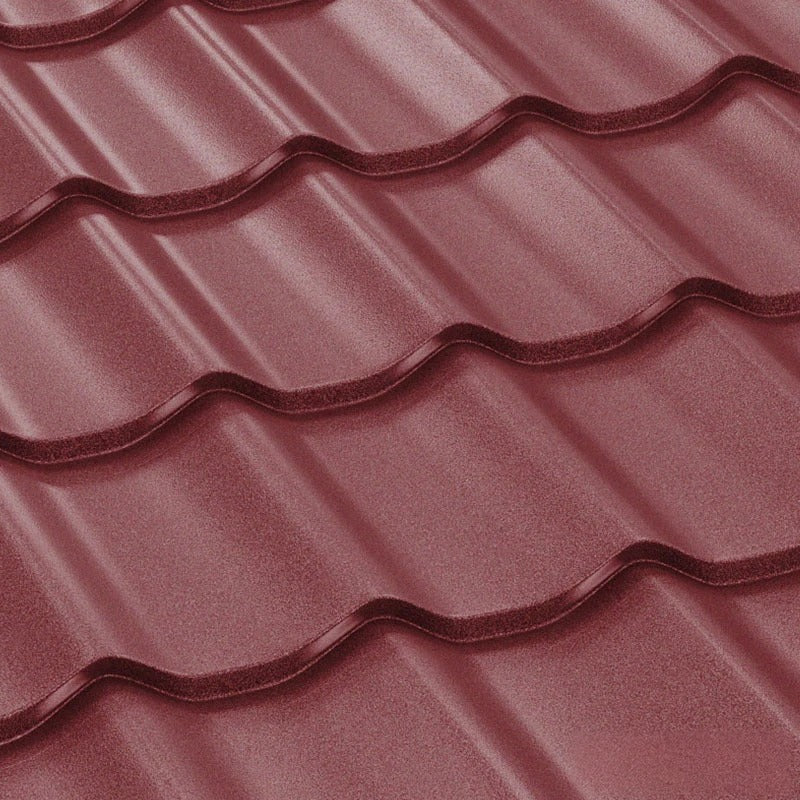
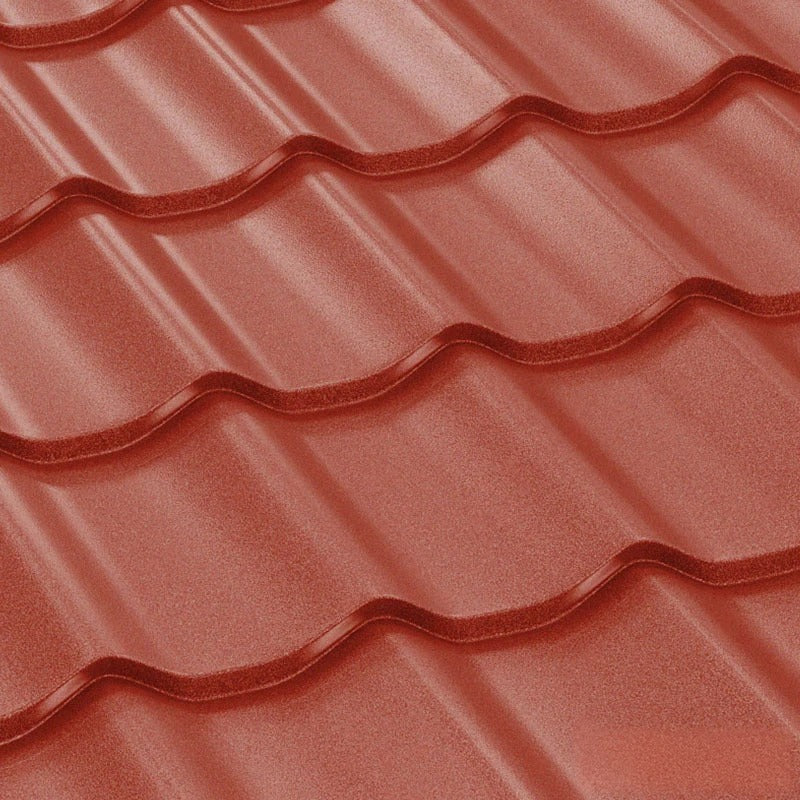
Roofing thermal panels are the right choice when the panel needs to function as a roof covering. They are profiled to help the roof’s durability and proper rainwater drainage. This is exactly where the difference with wall panels is clearest: the roof is not just a sloped wall. It bears water, snow, wind, temperature differences, and much more stress in the detail.
Roof panels and sandwich panel installation for roof
When someone asks, “What thermal panels should I choose for a roof?”, the short answer is: look for a roofing model suitable for the structure and slope. Installing sandwich panels for a roof is not just placing sheets. Precise overlaps, correct screws, suitable caps, and well-formed finishing elements are needed.
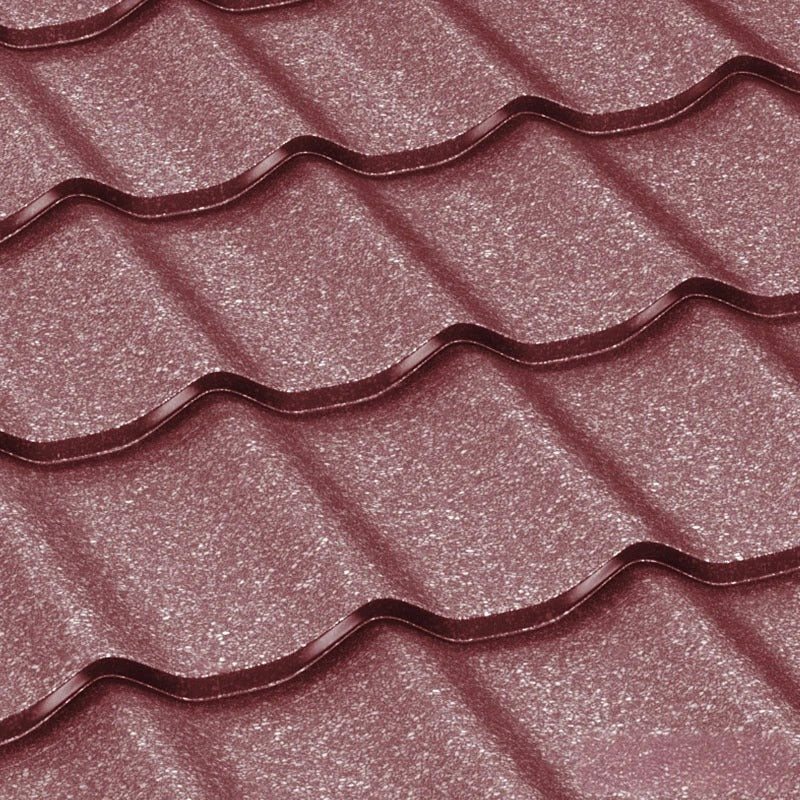
Good practice is to plan roofing thermal panels together with Fastening elements, because secure fastening protects the system from shifting and problems in strong wind. If the roof is part of a larger roofing system, it can also be compared with solutions like Roofing sheet, Metal tiles, or Bitumen tiles. Not everything suits every roof, yes, but the choice becomes easier when you compare by purpose.
Wall thermal panels and facade sandwich panels
Wall thermal panels are chosen for facades, exterior walls, halls, warehouses, garages, and projects where appearance matters almost as much as insulation. Their load is different from roofing. The focus is on a flat facade, good joint, wall protection, and cleaner execution around corners, doors, windows, and openings.
Facade thermal panels with hidden installation
Wall models are often searched as facade thermal panels, exterior cladding for houses, or facade panels. If the goal is a cleaner line, hidden installation is a big plus. It reduces visible fasteners and makes the facade visually calmer. At Lativa.bg this is convenient for people who do not want to assemble a solution from five different places but look for a clear set of panels and necessary accessories.
If you are still comparing options, also check Facade panels and Facade sheet. The facade panel may be sought for appearance, the sheet for practicality, and the wall thermal panel for combined function: cladding plus insulation. They are not the same, although people sometimes mix them in conversation.
Difference between thermal panels, thermal insulation, and sheet metal
The thermal panel is not just Thermal insulation. It is not just sheet metal either. It is an assembled system that works as an outer shell and insulating layer. Therefore, when comparing with thermal insulation, roofing sheet, or facade cladding for a house, you should ask not “which is cheaper” but “which solves my task with fewer compromises.”
Question: Thermal panel or ordinary sheet metal for roof? Answer: if you only want covering, sheet metal may be logical. If you want covering and insulation in one element, the roofing thermal panel is a more complete solution.
Question: Thermal panel or facade cladding? Answer: if the facade needs an insulation function, the wall thermal panel is more practical. If you only want decorative exterior appearance, facade panels also have their place.
How to choose the right type of thermal panel
First, specify where the panel will be used. For a roof, choose roofing thermal panels. For a facade, choose wall thermal panels. For combined projects, such as a hall with walls and roof, both types are often used but not swapped arbitrarily. This is one of those details that seem small at first but later save a lot of trouble.
Then consider thickness, core type, profile, color, fasteners, claddings, and drainage. For a roof with thermal panels, don’t forget the Gutter system or Seamless gutters. A good roof is not finished with just the panel; it is finished when water has a place to exit calmly.
Practical questions before ordering
Which thermal panels are better for a roof? Roofing ones, because they are made for that task.
Can I put a wall thermal panel on a roof? Usually, it is not the right approach because the profile and purpose are different.
What affects thermal panel price? Thickness, covering, length, installation type, fasteners, claddings, delivery, and project complexity.
Where can I check how to install? You can start with Installation instructions and How to install, especially if you are comparing thermal panel installation, sheet metal roof installation, or other roofing solutions.
Final choice of insulation panels without unnecessary guessing
Types of thermal panels are easiest understood this way: roofing ones are for roofs, wall ones are for facades, and sandwich panels is the general family of ready multilayer panels. If the project includes a new structure, roof repair, facade cladding, or quick building enclosure, compare not just the product but the whole system around it.
For more complex projects, leaks, renovations, or replacing old covering, you can also check Roof repair, because sometimes the right material is only half the solution. The other half is execution, prepared base, and good detail.
Choose calmly but not blindly. Browse the categories, compare roofing and wall options, add the necessary fasteners, and contact through Contact to get guidance according to the specific project. Lativa.bg is the place where you can start with a clear choice without wasting time on chaotic searching and half-measures.