
OSB boards for the roof base are the fast track to a flat and stable slope.
Oriented strand boards help the covering lay smoothly, without waves or "springiness."
I’ll tell you how to think about thickness, joints, and fastening, with words from the real site.
And yes, we’ll also cover what to add to your order so you don’t stop working.
Quick orientation:
- Choose panels for roofing structures, not random sheets from the warehouse.
- Thickness comes from the distances in the structure and project.
- The joint is not a defect. It’s insurance against lifting.
- Fasteners and tools solve squeaking and "play."
- The underlayer and ventilation protect against condensation, not just leaks.
Oriented strand boards for roofing: what you gain
First, you save time. The panel is flat and easy to level.
Then you gain peace of mind. The underlayer is glued and nailed more cleanly.
There’s also a bonus: with proper installation, stepping doesn’t sound hollow, which is annoying.
The roof becomes more predictable, especially around chimneys and claddings.
With a well-organized system, OSB boards for the roof base hold everything stable and quiet.
For a solid base, usually you start with Wood material.
The load-bearing part is usually a combination of Beams, Battens, and Boards.
The sheets themselves are in OSB boards.
Question? Can OSB be used instead of boards for roofing?
Answer. Often it’s possible, but it depends on the project and type of roofing.
Boards remain convenient for places with details and leveling, especially during repairs.
OSB board thickness: how to choose logically
There’s no universal number here. There’s structure, project, and load.
The greater the distance between supports, the more "meat" is needed.
If the roof will carry more layers, the margin is also important.
Question? What thickness of OSB boards do I need for a roof?
Answer. First, look at the distance between the beams and battens, then compare with the project.
If you're not sure, thicker usually forgives more mistakes, but it’s heavier.
- You quickly search: OSB boards 12 mm price. Check if the structure is dense.
- You ask about "OSB boards 15 mm" for a more stable feeling when walking on the roof.
- Look for "OSB boards 18 mm" when there is a larger span or more layers.
For roofs, boards with better moisture resistance are sought, for example OSB 3.
And one more thing: don’t mix thicknesses on the same slope. It shows later.
When comparing "OSB boards price," also look at the edge treatment.
Storage and preparation: before you bring up the sheets
Boards don’t like mud and puddles. And they don’t like to be stored tilted.
Keep them flat, on supports, and cover them, but allow them to "breathe."
If they are cold and damp, give them time to acclimate to the site.
This reduces surprises with swelling and shifting of joints.
Question? How to cut OSB boards without splintering them
Answer. With a sharp blade, stable support, and guiding along a line, without rushing.
If you cut on site, clean up the dust. It interferes with adhesive tapes and membranes.
Gaps in OSB: small space, big effect
Wood boards expand. This is normal, not a "bad batch."
Without a gap, the sheets push against each other and start lifting the underlay.
That’s where lifting, cracking, and small leaks start, which are very frustrating.
Question? Should there be a gap between OSB boards on the roof
Answer. Yes. A small gap is left between the sheets to allow for movement.
Leave space near walls, chimneys, and claddings. That’s where it most often gets "stuck."
- Arrange the sheets staggered, not with four corners meeting at one point.
- Keep the edges supported, or add an additional batten.
- Don’t force the tongue and groove. A slight fit is okay.
For a clean job, prepare the right Fasteners and Tools.
Fastening chipboard: how to make it strong
The goal here is simple: the board should not "sing" or move under load.
That’s why fastening is done evenly and without gaps along the edges.
Inspection is easy. Run your hand over and listen for loose spots.
Question? What screws are used to attach OSB boards to beams
Answer. Most often with wood screws or nails with good holding power, depending on the system.
The important thing is that the fastener is suitable for wood and does not corrode easily.
- Start by fixing around the perimeter, then fill in the field.
- Do not leave free corners. That’s where creaking starts, guaranteed.
- Do not overtighten the screw. The head should not "dig into" the board.
- At joints, always look for support underneath, not a joint "in the air."
If you plan to install metal shingles or roofing sheet metal, the flat base is immediately visible.
And if you are aiming to install bitumen shingles, a smooth board is absolutely essential.
What do you put over the boards: underlay and covering
Above the OSB, there is always a layer that protects against moisture and temporary wetting.
This can be bitumen felt, membrane, or another system, depending on the roof.
The underlay layer is also a “plan B” if it rains during installation.
To start, see Voalit.
For more serious protection, there are APP Waterproofing and SBS Waterproofing.
- Classic for pitched roofs: Bitumen Tiles.
- Light and quick option: Metal Tiles.
- Large areas: Roofing Sheet Metal.
- Industrial profiles: Profiled Sheet Metal.
For a different style, check out Standing Seam Roofs, including Double Seam and Click Panel.
For different systems, the general category Pitched Roofs or Flat Roofs will be useful.
Thermal insulation, details, and drainage: don’t leave them for last.
Many leaks start as condensation, not as a puncture.
So think about insulation and ventilation even before you close the roof.
The category Thermal Insulation is a good start.
If your attic is residential, also consider light. Otherwise, it becomes gloomy, even with a new roof.
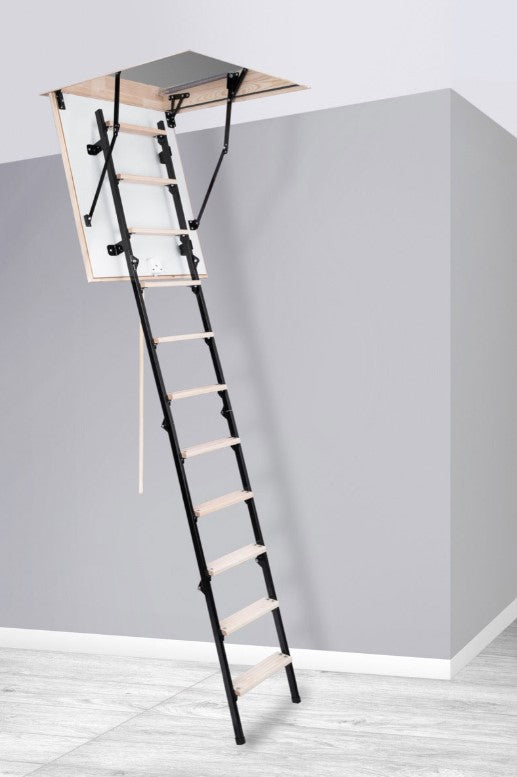
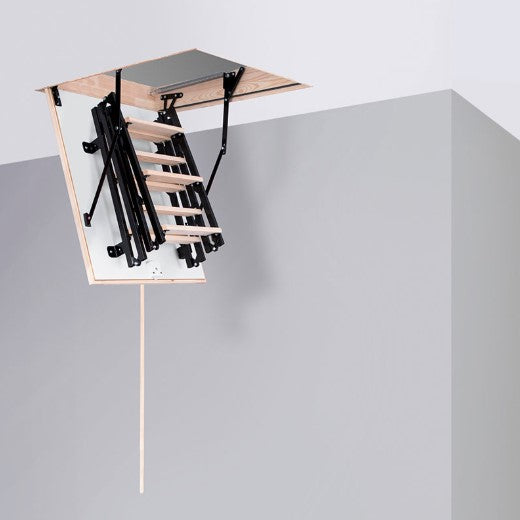
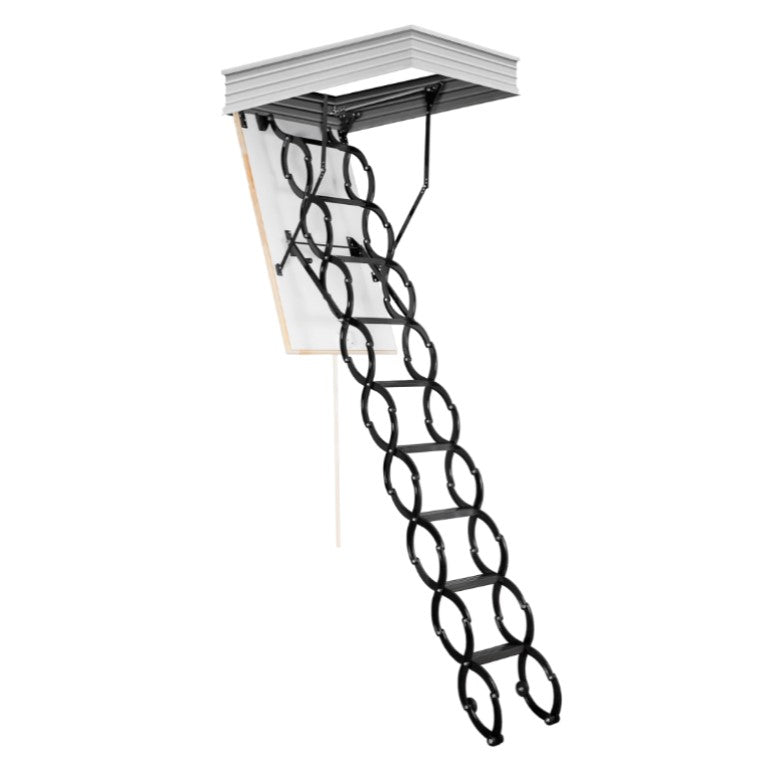
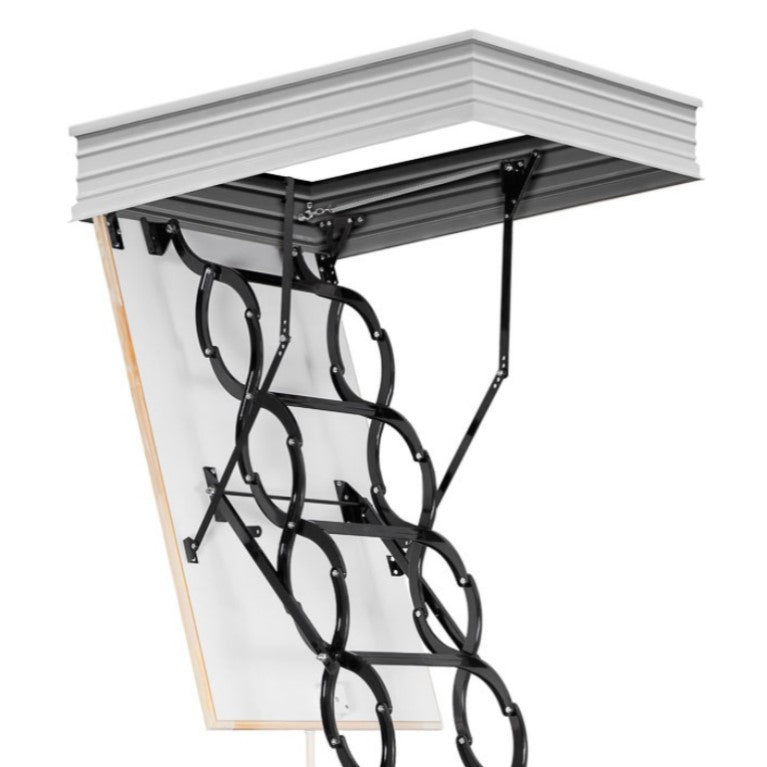
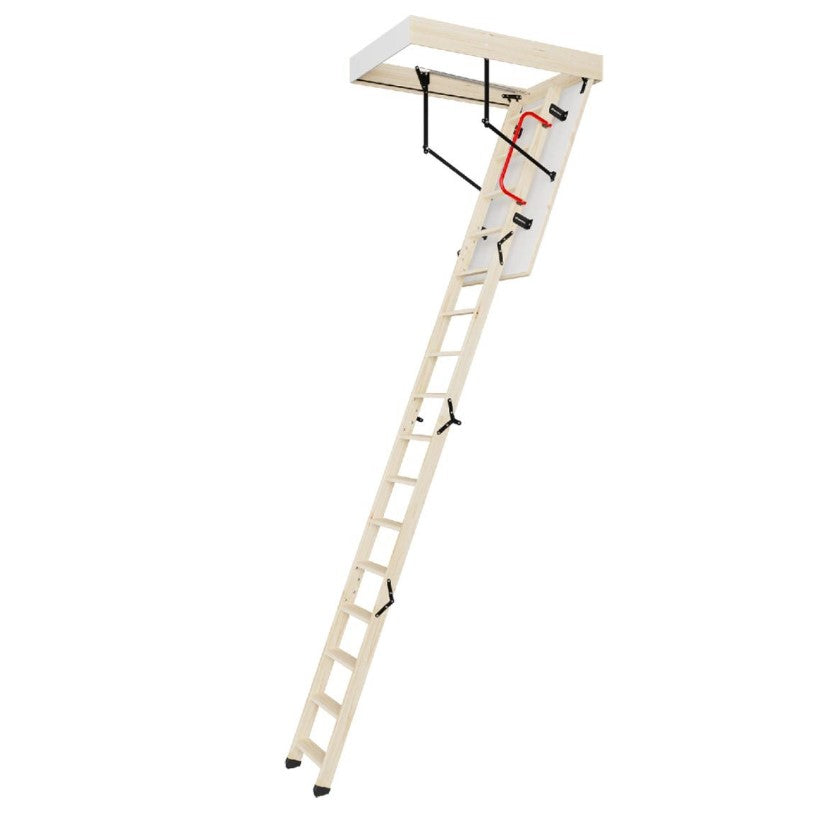
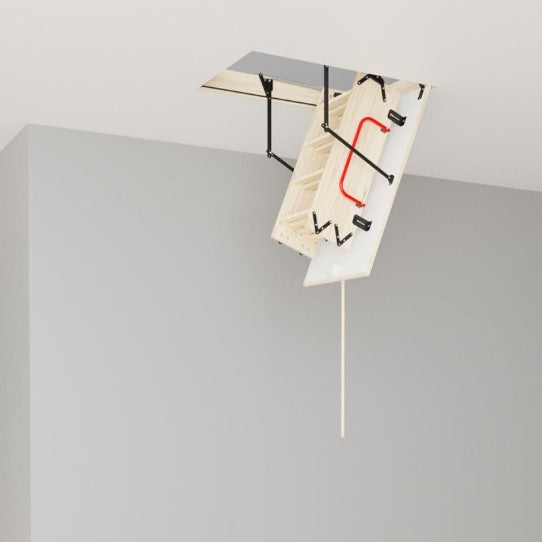
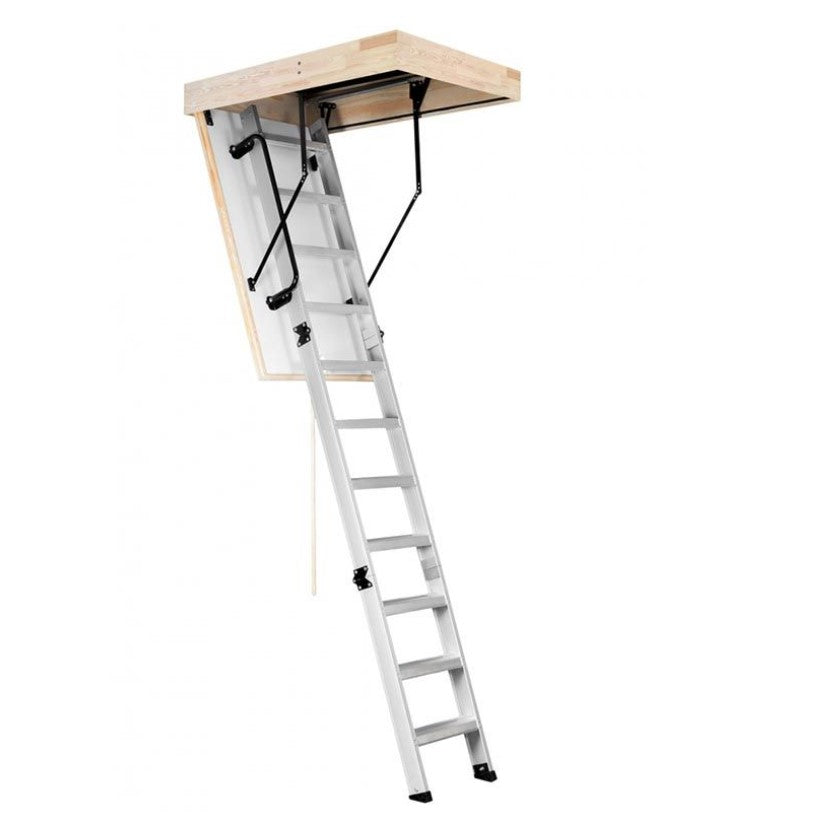
Here, Roof Windows and Attic Stairs help.
Question? How to make the attic brighter with roof windows.
Answer: Choose the right size and position, and let the air do its work. The effect is felt immediately.
When closing the attic with panels, ventilation through the eaves is important.
This way, the wood material and base don’t “suffocate” and don’t retain excess moisture.
For water and gutters, see Seamless Gutters and Drainage System.
For the facade and appearance, if you are already renovating, check out Facade Panels and Facade Sheet Metal.
For quick covering of garages and halls, see Thermopanels. Many people also call them sandwich panels, just like that.
If you are also working on the yard, check out Fence Profiles.
Typical mistakes: why the entire layer is removed later.
The most expensive thing is replacing something that should have been under the roofing.
That’s why make a mini checklist even before the underlayment.
- Panels that have been exposed to rain or kept wet inside the package.
- No seams, no space near walls, chimney, or cladding.
- Edges without support and sparse fastening.
- Cross joints with four corners meeting at one point.
- Screws that are too deeply sunk and damaged surface.
If you are already at the renovation stage, don’t guess. Request an inspection and plan.
The page Roof Repair is the logical start.
This also applies if you are specifically looking for: roof repair Sofia, roof repair Varna, or roof repair Burgas.
Delivery and installation: when you want to finish on time.
Delivery can save you two days of running around and a ton of stress.
At LATIVA, there is specialized transport in Sofia and throughout Bulgaria, plus courier options.
For large orders, delivery directly from the factory to the site is convenient. That’s comfort.
For installation guidelines, open How to Install and Installation Instructions.
For deadlines and options, see Delivery Information.
If you have a question, also check Frequently Asked Questions.
And if you want to talk to a person, go to Contact.
Final conclusion: a stable roof starts from the foundation.
My simple advice: don’t skip checking the flatness and joints. It pays off.
Dry material, correct thickness, joint, and even fastening. That’s the formula.
Then choose the covering and complete the system calmly, with no hidden surprises.
Want to get started right away? Open OSB boards and send an inquiry through Contact.
Finally, for a solid base, we return again to OSB boards for the roof foundation.