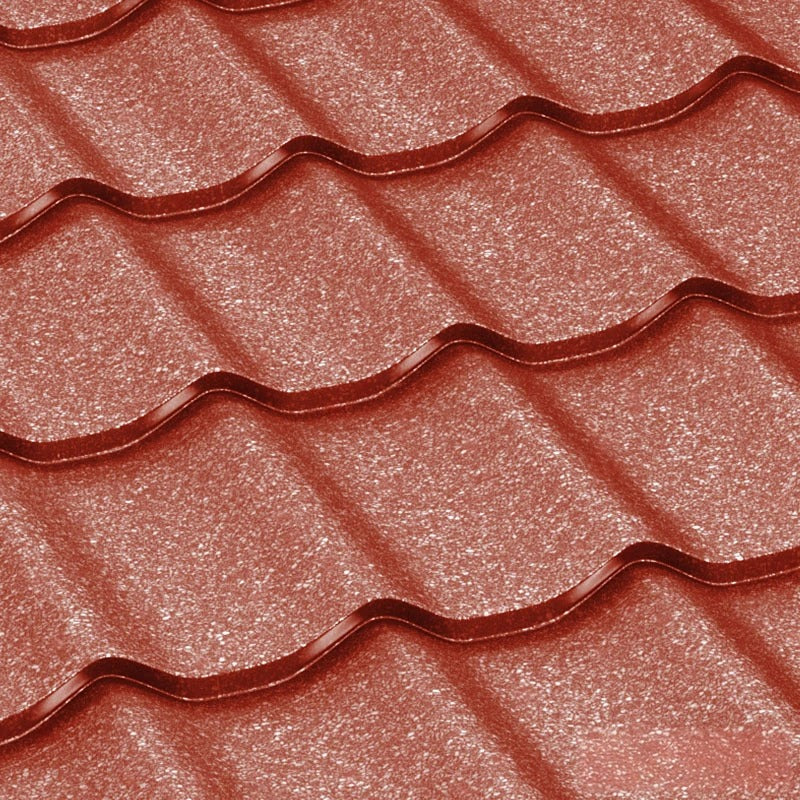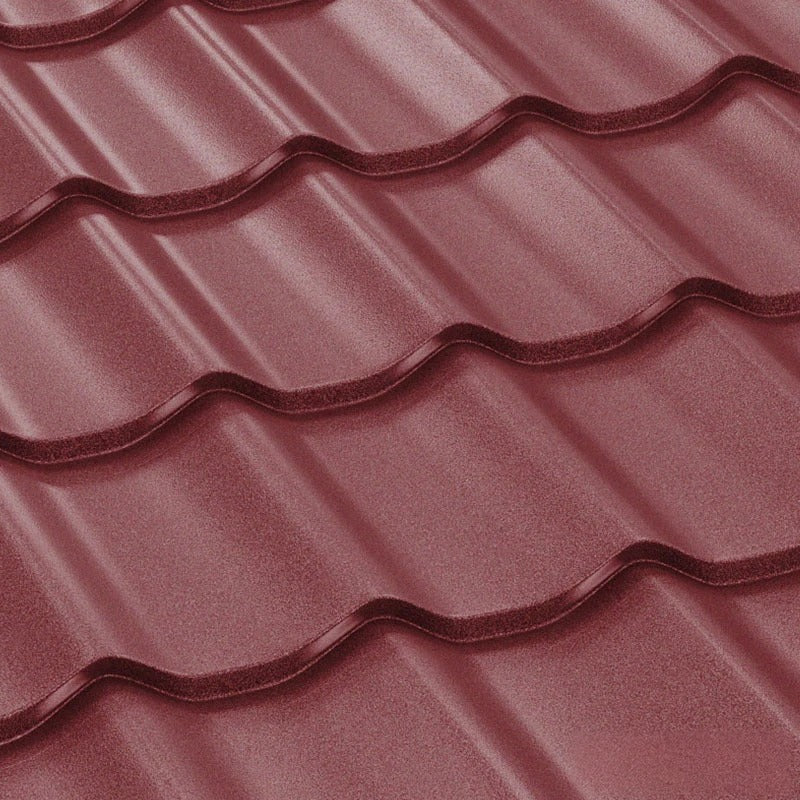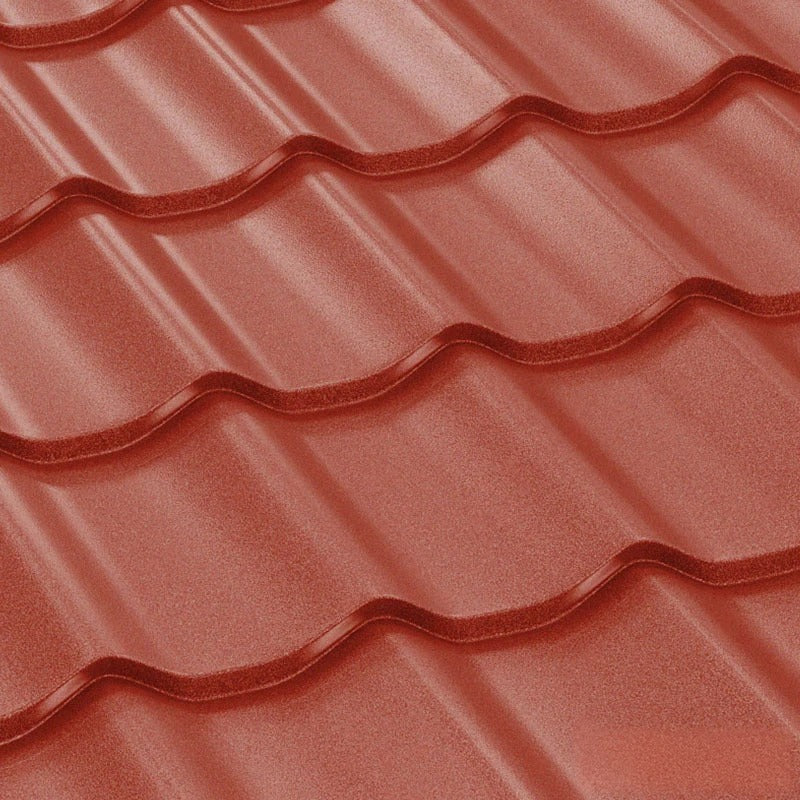

Thermal panels for halls and warehouses are the fastest way to erect a functional building without unnecessary waiting. Sandwich panels for halls and warehouses combine a supporting structure, thermal insulation, and a finished appearance in one element.
In this text, we will cover the most important points – how to choose thickness, what insulation to select, and how to realistically view the price of thermal panels per square meter so you don’t exceed the budget at the design stage. If you are wondering “Which thermal panels to choose for a hall?” or “Which sandwich panels are best for a warehouse?”, here you will get practical, clear answers.
Quick overview: for an unheated warehouse, panels around 40–50 mm are most often chosen; for a heated hall – 60–80 mm; and for refrigerated and logistics rooms, even greater thickness and more serious insulation are sought. The price per square meter mainly depends on thickness, filling, and type – roof or wall panel.
What are sandwich panels for halls and warehouses
Insulation panels – layers, foam, and wool
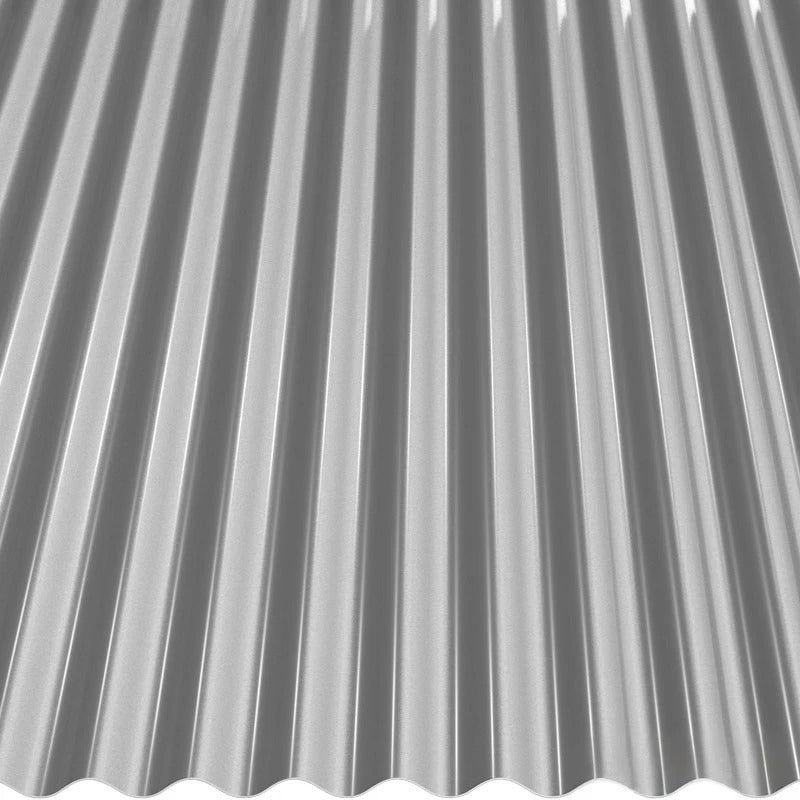
Sandwich panels are multilayer elements – two facing metal or PVC sheets and an insulating core in the middle. This way, you get structural strength, thermal insulation, and a clean finish for the facade or roof in one step, instead of layering separate materials.
The most popular fillings for insulation panels for industrial buildings are polyurethane foam (PUR/PIR), styrofoam, and mineral wool. Each material behaves differently in terms of thermal conductivity, fire resistance, and weight.
- PUR/PIR foam – very good thermal insulation with small thickness, lightweight panels, ideal for large halls.
- Mineral wool – higher fire resistance and sound absorption, often required for public and industrial buildings.
- Styrofoam – economical option for lighter structures and warehouse spaces without special requirements.
Question: What is a sandwich panel for a hall? Answer: it is a ready panel with profiled metal sheet and thermal insulation that simultaneously serves as a wall or roof and thermal insulation, without needing additional layers of plaster and wool.
When browsing the Thermal Panels category, you will see roof and wall panels with different thicknesses and types of joints – visible or hidden, for cleaner facades and easier installation.
Where thermal panels are used in industrial facilities
Insulation sandwich panels are used almost everywhere in industrial and logistics construction. With them, you can build a new hall, expand a warehouse, or clad an existing metal structure.
- Production halls and workshops where maintaining a stable temperature is important.
- Warehouses and logistics bases, including ramps and loading/unloading zones.
- Agricultural buildings, livestock farms, silos, workshops.
- “Office + hall” combinations where the facade needs to look presentable.
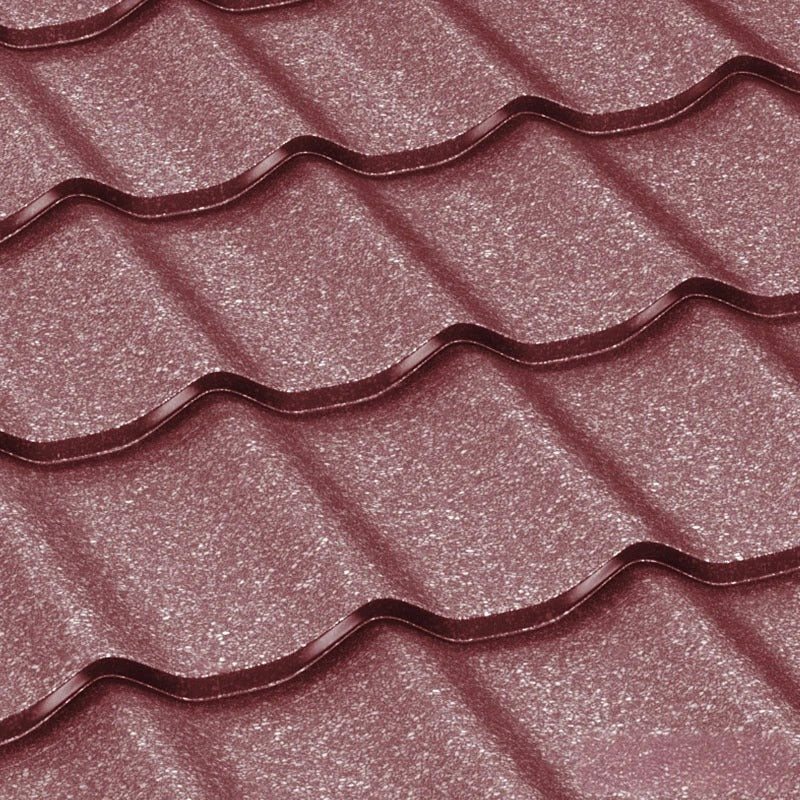
For the office part, you can combine with facade solutions from the Facade Panels category, and finish the roof with Roofing Sheet Metal or Metal Tiles if you want a “classic roof” look.
How to choose the thickness of thermal panels according to the facility
Panel thickness for unheated warehouses
Very often the first question is: “What thickness of thermal panels should I choose for a warehouse that is almost unheated?” For unheated or lightly heated warehouse spaces, the main goal is to protect the goods from moisture, condensation, and sharp temperature fluctuations.
For such facilities, wall and roof panels around 40–50 mm are often used, providing a reasonable balance between price per square meter and basic thermal insulation. If the warehouse is in a colder area or you want a slightly more stable internal climate, you can opt for a slightly greater thickness.
For roofing solutions, consider a combination of Thermal Panels and Voalit or SBS waterproofing for flat roofs to ensure long-lasting protection against leaks.
Thickness for heated halls and refrigerated warehouses
When a hall or warehouse is constantly heated, the thickness of sandwich panels plays a much more serious role. The thicker the panel and the better the insulation, the lower your heating and cooling bills will be in the long term.
Question: How thick sandwich panels should I choose for a heated hall? Answer: in practice, panels around 60–80 mm are often sought for walls and roofs, and for more demanding rooms – even greater thicknesses. For cold storage rooms, logistics centers with controlled temperature, and food warehouses, even thicker panels with special insulation are used.
For a complete solution, also check the categories Thermal Insulation, OSB Boards, and Wood Material to build a stable supporting structure under the thermal panels.
For taller halls, don’t forget the role of Fasteners and Tools – the right screw for thermal panels and quality installation are just as important as the panel thickness itself.
Thermal panels price per square meter and budget planning
When you hear “thermal panels prices,” you usually mean the price per square meter for a wall or roof panel. The actual amount depends on several factors – thickness, type of insulation, metal sheet profile, coating, color, and of course, whether the panel is wall or roof.
Question: How much do thermal panels for a hall cost per square meter? Answer: the price ranges according to thickness and type of filling, with thicker PUR panels and panels with mineral wool logically being more expensive than styrofoam options. The most accurate idea will come from reviewing specific products in the thermal panels section and comparing thicknesses and models.
- Thinner panels (for unheated warehouses) are more affordable as an initial investment.
- Thicker panels with better insulation reduce bills every month and pay off the difference over time.
- Roof panels often have a specific profile and accessories – ridge caps, trims, which also affect the final price.
To anticipate all costs, include drainage – check out Classic Gutter System and Seamless Gutters to properly finish every roofing detail.
It is also important how materials will reach the site. Thanks to specialized transport and flexible delivery options – directly from the factory for larger orders, by transport company, or courier – you can rely on panels arriving intact and on time. For details, you can always check the Delivery Information page.
Complete solution for hall and warehouse – from structure to the last detail
Thermal panels alone are not enough – a good structure, properly selected additional materials, and careful installation are needed. That’s why it’s convenient to have everything in one place: structural elements, insulation, sheet metal, accessories.
You can build the structure with products from the categories Beams, Battens, and Boards, and if the roof is flat – complement with solutions from Flat Roofs.
For the facade, you can combine thermal panels with Facade Sheet Metal or the already mentioned Facade Panels, and finish the eaves with Eaves Cladding for a clean and finished look.
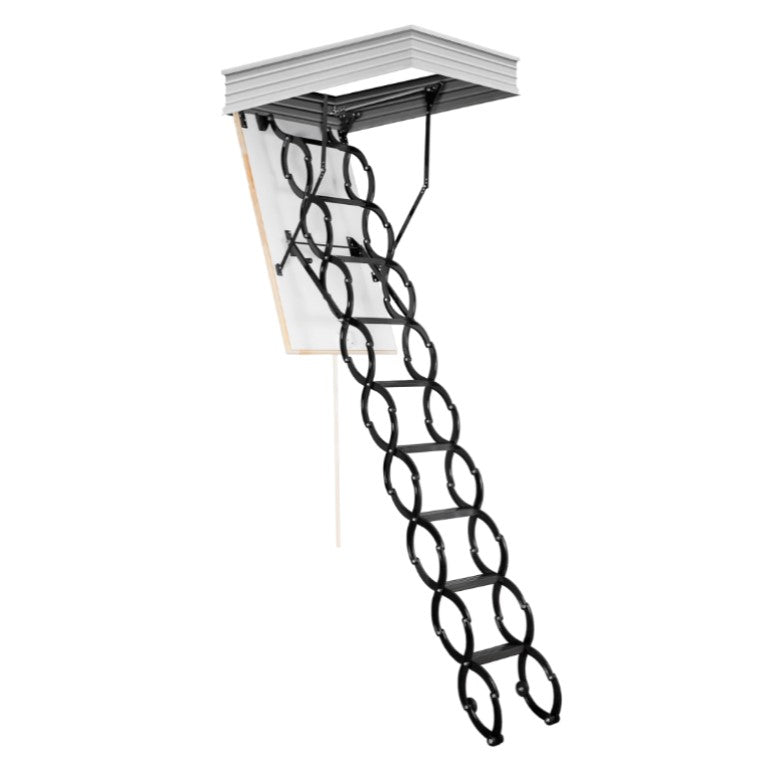
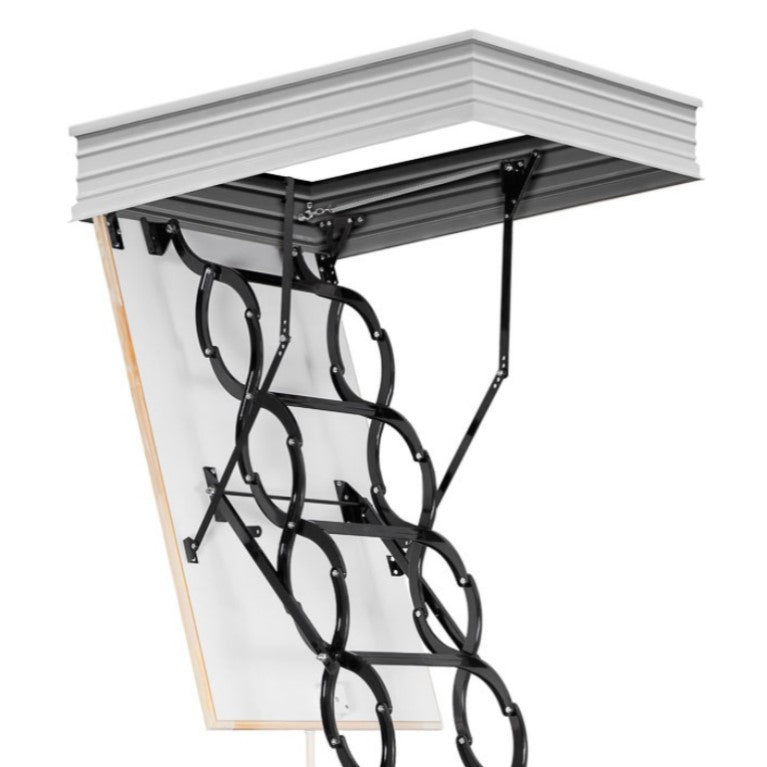
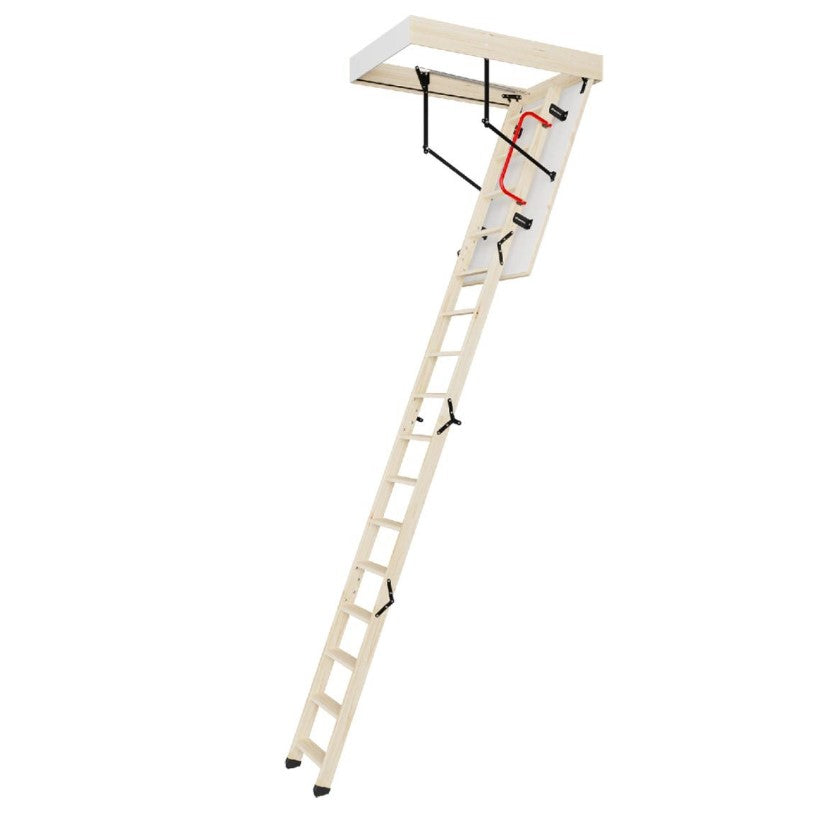
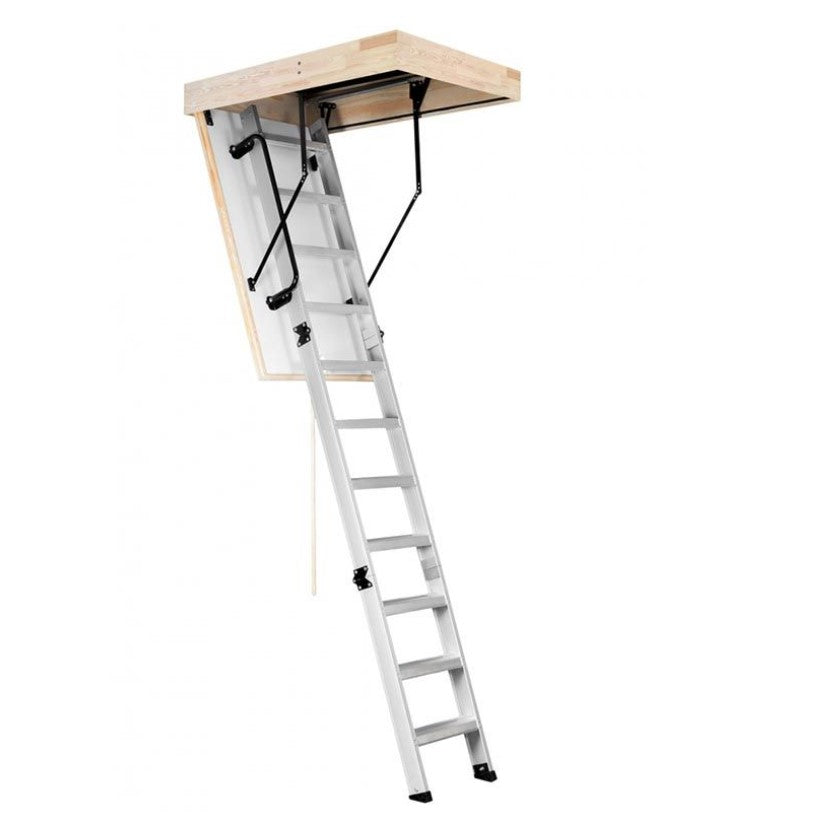
Interior comfort does not come only from insulation panels. If there is an office or habitable part under the roof, also consider Roof Windows and Attic Stairs to provide light and easy access to the attic space.
If you have no experience with sandwich panel installation, it is quite normal to ask: “Who can install the thermal panels for me?” The LATIVA team offers professional installation of roof and wall panels, as well as complete solutions for building or renovating halls and warehouses – you can confidently entrust the hard work to specialists.
For more details about installation, check the pages How to Install and Installation Instructions, and if your project includes replacing an old roof – check the Roof Repairs service.
Conclusion: how to choose the right panels for your facility
Choosing sandwich panels for a hall and warehouse is not just about “being cheaper,” but a combination of thickness, insulation, structure, and a properly designed drainage system. If you only look at the lowest thermal panel price, you risk higher energy costs and a shorter building lifespan.
The most practical approach is to answer a few simple questions: will the facility be heated, what is the height and size of the hall, what are the fire safety and sound requirements, what load will the roof bear. Then choose thickness and panel type, add suitable gutter systems, facade solutions, and structural elements, and plan the budget according to actual needs, not the lowest price per square meter in advertising.
When you want a reliable and convenient solution, thermal panels for halls and warehouses are the logical choice – browse the products on the site, send an inquiry through the Contact page, and order now to turn an empty site into a working facility with well-thought-out insulation and a clean, orderly appearance.