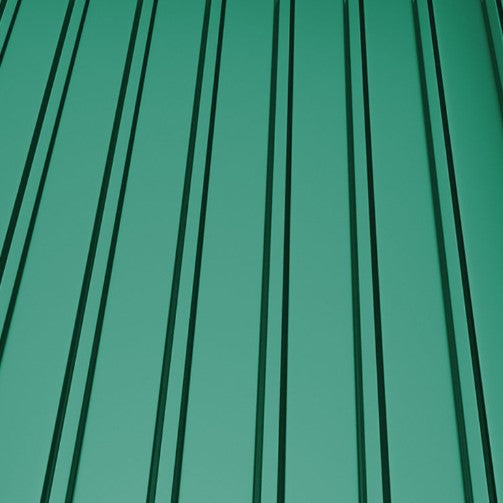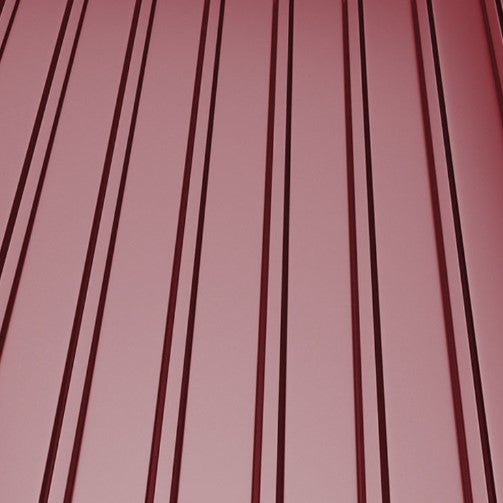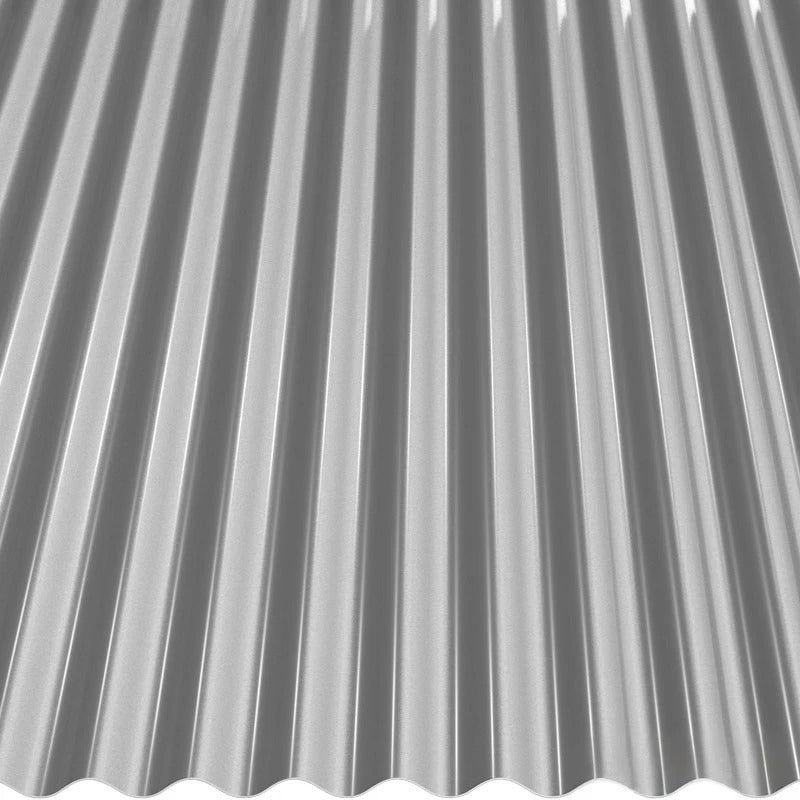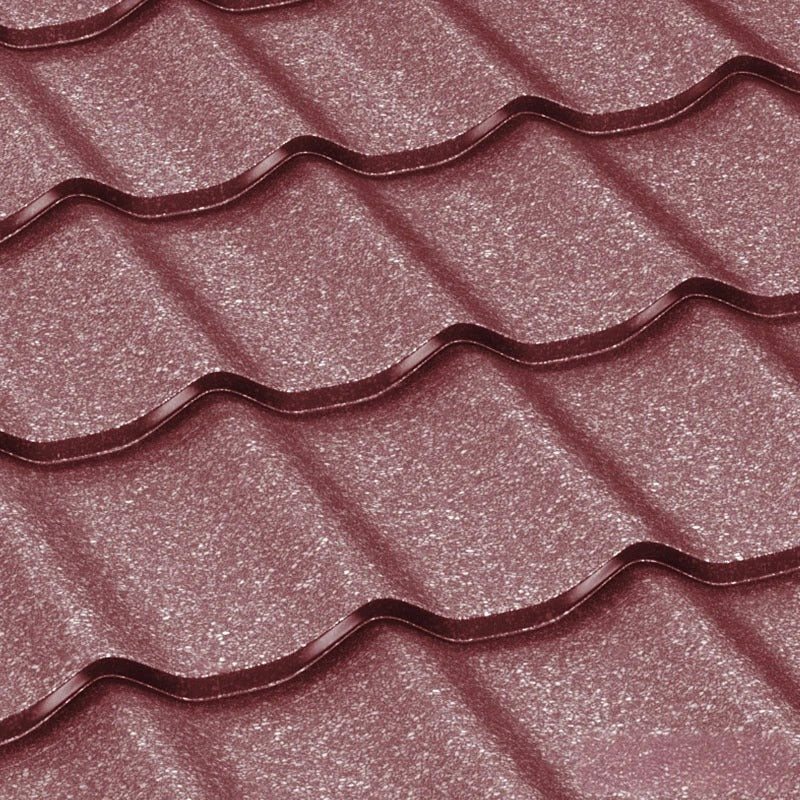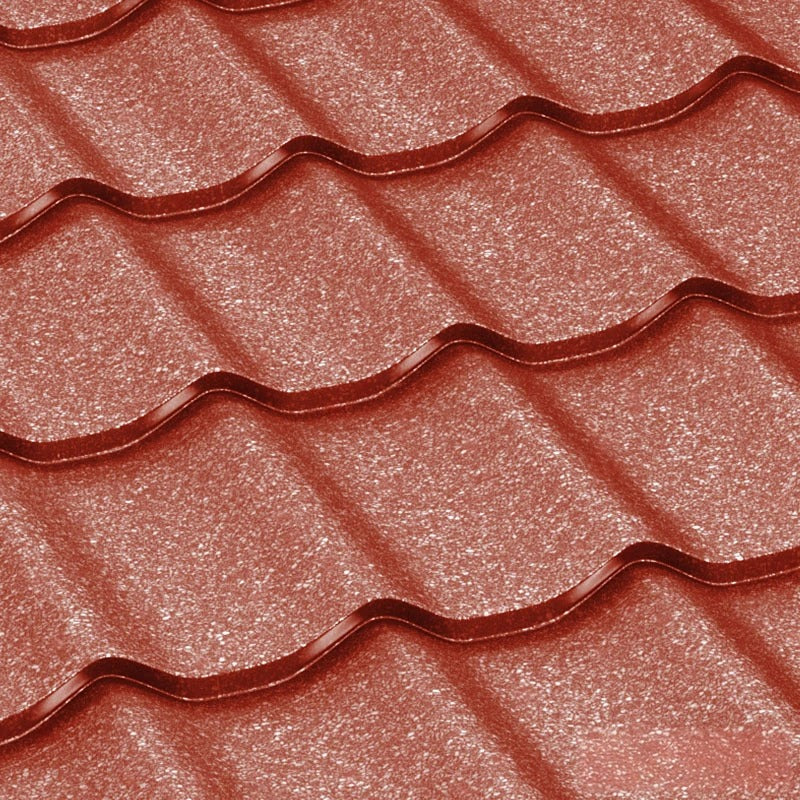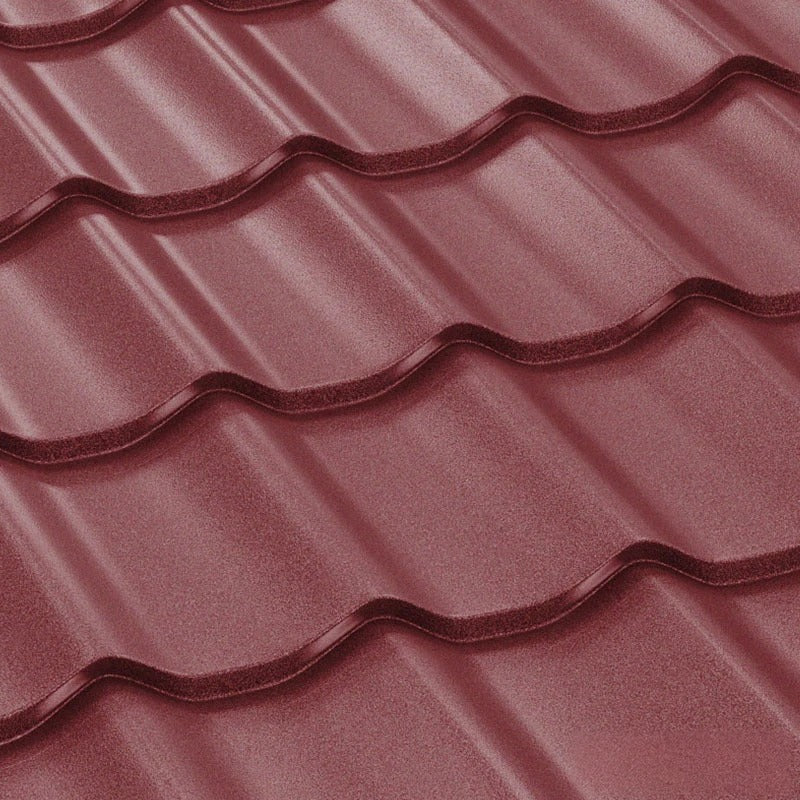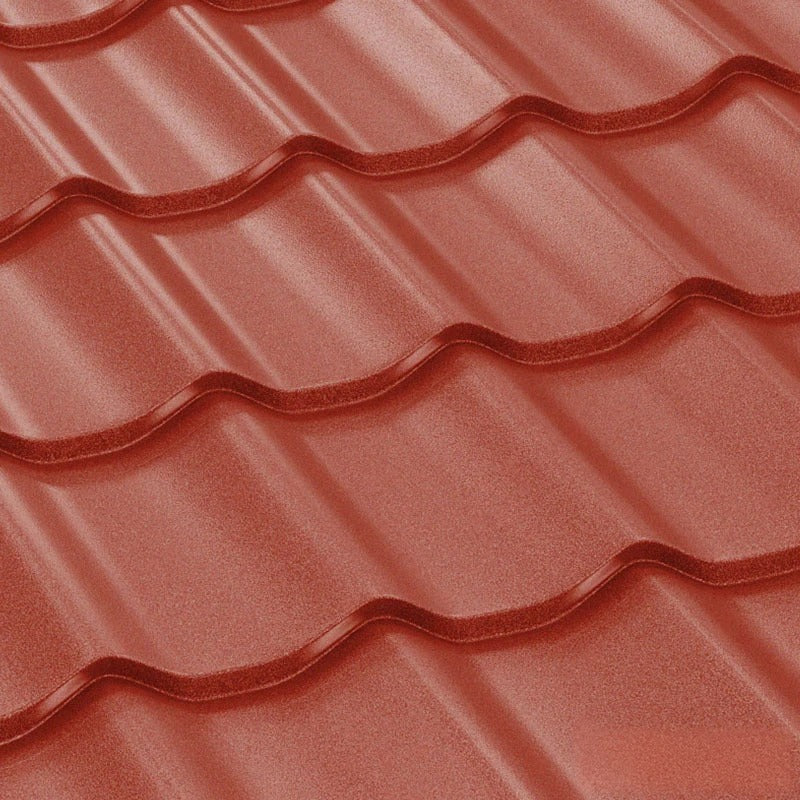

Profiled sheet metal for low roof slope is a topic worth considering even before the first drop of rain. Trapezoidal sheet metal for roofs with a small slope often raises concerns about leaks and noise, and it is normal to seek a clear, simple answer.
In this text, we will humanly go through the most common problems – water retention, capillary leaks, noise from rain and hail, and how to limit them with the right roofing sheet metal, good underlay, thermal insulation, and details around gutters and joints.
In short: how to keep a metal roof quiet and dry
- Choose the appropriate profile and wave height for a low slope.
- Install reliable waterproofing and a tight base under the sheet metal.
- Provide quality thermal insulation for a quieter and more stable roof.
- Carefully solve the details around gutters, claddings, and connections.
- For complex roofs – rely on professional installation and control.
Understanding the low slope of a metal roof
At a low slope, water has no “acceleration” and drains more slowly over the roofing sheet metal. If the profile is too low or the overlap is not done properly, rain, snow, and meltwater can accumulate between the waves and joints.
Therefore, it is important to look at the technical parameters of the profile, not just the color and price. In the Profiled Sheet Metal category, you will see different heights and shapes that are more suitable for low slopes or steeper roofs.
What happens when water does not drain well
When there are constant puddles on roofing sheet metal, the risk of capillary “entry” of water into the joints increases. Wind can push rain under the overlaps, especially on long slopes and exposed places.
Constant moisture combined with incorrect fasteners or a weak base leads to stains on the ceiling, wet beams, and unpleasant repairs. Therefore, the material itself is not to blame – the whole solution is important.
Steps against leaks in sheet metal with a small slope
Underlay and waterproofing under the sheet metal
The first line of defense at a low slope is good waterproofing under the sheet metal covering. Thus, even if there are single drops under the joint, they remain on the underlay layer and do not enter the structure.
For additional security, you can use materials from the categories SBS Waterproofing, APP Waterproofing, and Voile. This minimizes the risk even with imperfect details.
Strong base: wood material, OSB, and proper fasteners
For the sheet metal to stay stable and not form a “trough,” the base must be flat and strong. Most often, this is a combination of beams, battens, and boards mounted with precise spacing and proper fasteners.
Check the categories Wood Material, Beams, Battens, Boards, and OSB Panels, as well as Fasteners. A well-prepared base reduces deformations and leaks.
Suitable profile for a small slope
Different profiles withstand different loads from wind, snow, and water. At a low slope, a profile with sufficient height and secure overlap is sought so that water does not jump over with the first heavy rain.
In the sections Roofing Sheet Metal LT18, Roofing Sheet Metal LT35, Roofing Sheet Metal LT60, and High-Profile Sheet Metal, you will find options for longer spans and lower slopes without sacrificing strength.
Noise from rain on the metal roof – how to reduce it
During heavy rain, the metal roof always “speaks,” but at a low slope, the noise sometimes feels louder because the water moves more slowly and holds the drops longer on the surface.
The key is to think in layers – not only the metal sheet itself but also insulation, underlay, and structure. This way, the roof becomes quieter, warmer, and more resistant to temperature fluctuations.
Thermal insulation for a quieter metal roof
Thermal insulation under the roofing sheet metal plays a dual role – it reduces energy losses and “dampens” some of the rain noise. When there is a dense layer of insulation between the sheet metal and the attic space, the sound softens noticeably.
See options in Thermal Insulation and Thermal Panels – these are solutions often combined with roofing sheet metal and provide a much more comfortable indoor environment.
Details around gutters, claddings, and edges
Often, the noise comes not only from the sheet metal itself but from the water falling into the gutters and around the eaves. With well-resolved details, the noise is directed and distributed more evenly.
Check the categories Seamless Gutters, Classic Drainage System, Drainage System, and Claddings for Eaves to ensure clean and quiet water drainage.
Practical questions customers ask
Question? How to avoid leaks in a metal roof with a low slope. Answer. Combine the appropriate profile, waterproofing underneath, and a good base of OSB and wood material, mounted with the correct screws.
Question? How to reduce rain noise on a metal roof. Answer. Install dense thermal insulation and use thicker profiles or thermal panels that absorb part of the vibration.
Question? Which sheet metal is better for a low slope – trapezoidal or other. Answer. Look for profiles with higher waves and manufacturer recommendations for minimum slope; in the Roofing Sheet Metal catalog, you will find suitable options.
Question? Is it normal to hear loud rain on a metal roof. Answer. Noise is present with every metal roof, but with good insulation and proper installation, the sound can be noticeably reduced.
When to consider professional installation and repair
At a low slope, mistakes in the joints almost always become apparent during the first serious rains. If you are not sure about the details, it is better to rely on a team experienced in roofing.
On the Roof Repairs page, you can explore services for roof construction and repair, and in How to Install and Installation Instructions, you will find guidelines for various roofing solutions.
The online store also offers a wide selection of Metal Tiles and Bitumen Tiles, if you decide that the roofing system should be different from sheet metal.
For logistics and deadlines, see Delivery Information, and if you have a specific case – the Contact page is the most direct way to the team.
For peace of mind regarding deadlines and product coverage, also check Warranties and Frequently Asked Questions.
Conclusion: quiet, dry, and secure roof with profiled sheet metal
Profiled sheet metal for a low roof slope can be a reliable and long-lasting solution if combined with proper waterproofing, a strong base, and well-designed details around gutters and claddings.
When planning a roof, think not only about the material price but about the entire system – from Tools and structure, through waterproofing and thermal insulation, to the final sheet metal covering and drainage system. The LATIVA online store combines roofing materials, specialized transport throughout Bulgaria, and professional installation so you can confidently complete your project without wandering between different suppliers.
If you wonder which profile to choose, how to reduce rain noise, or just want to know “What is the safest option for my low slope roof?”, contact the team through the contact page and ask your questions – this way, you will more easily achieve a roof where profiled sheet metal means silence, security, and dry rooms beneath you.