
Thermal panels prices are not calculated solely by thickness because the actual offer depends on the entire roof, wall, fasteners, transportation, and installation method. Sandwich panel price also sounds simple, but behind it lie details that often determine whether the project will be neat, durable, and free of unnecessary extra costs later.
When someone asks "how much do thermal panels for roofs cost" or "how to choose a thermal panel for a hall," they usually seek a clear answer, not a table of dry numbers. Here it is briefly: consider the panel type, insulation core, metal sheet coating, length, ribs, accessories, transportation, and installation. Thickness is important, yes, but it’s not the only factor. Sometimes the better choice is not the thickest panel but the one that fits the structure and the way the building will be used most precisely.
At Thermal Panels on Lativa.bg, you can navigate between solutions for roofs, walls, and facades without wasting time comparing incompatible materials. This is important because an offer for a warehouse, canopy, industrial building, or house is not made the same way.
What really goes into the price of thermal panels
The first factor is the purpose. Roof thermal panels work under different loads than wall panels. Roofs have slope, snow, drainage, wind, connection to gutters, and cladding. For walls, appearance, hidden or visible installation, joints, and finishing profiles are more important. Therefore, a "panel versus panel" comparison is not enough. The whole system must be compared.
The second factor is the core. Thermal panels usually combine metal sheets and an insulation layer between them. Here thickness matters, but so does the type of filling, how it behaves during installation, and the stability it provides to the finished structure. If you ask "which thermal panels are good for a hall roof," the answer won’t be just one thickness. It will depend on the distances between supports, slope, building purpose, and whether there will be heating, equipment, goods, or just dry space inside.
Why thickness is not the whole story
A thick panel may seem like the safer choice, but sometimes it increases the project cost without proportional benefit. For some projects, it is more important to choose the right profile, good coating, and exact panel length to minimize cutting and ensure cleaner installation. For others, especially larger roofs, details around the ridge, edges, eaves, and drainage have almost the same weight in the final offer.
Question? "Is thickness the only factor determining thermal panel prices?" Answer. No. Thickness is only one part of the calculation. The offer is influenced by the panel type, coating, length, fasteners, transportation, accessories, installation, and project complexity.
If the project is a roof, coordination with the Gutter system, edge strips, under-gutter metal sheets, and proper water drainage is often needed. For walls, questions arise about corners, plinths, facade profiles, and connections to doors or windows. On paper, these seem minor. On site, they are not minor at all.
Roof thermal panels and wall panels: different logic, different offer
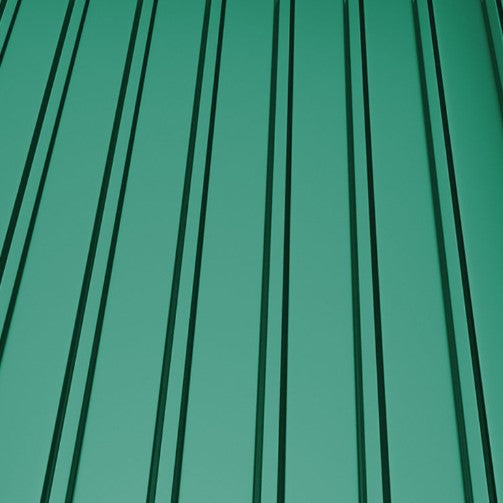
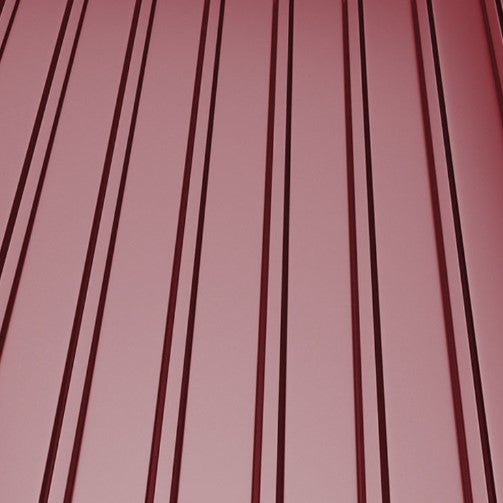
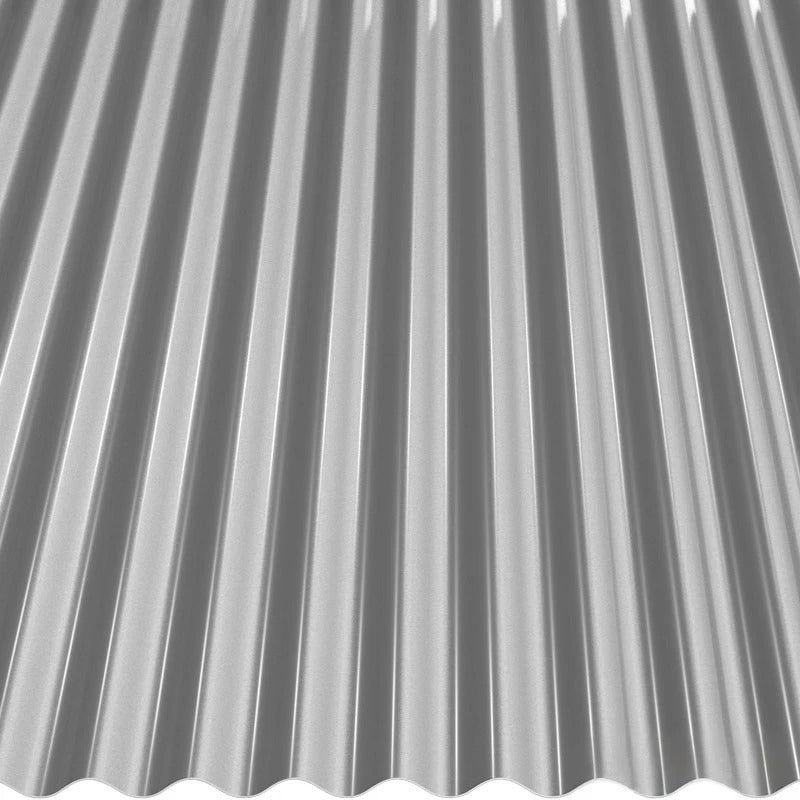
For roof panels, the profile plays a big role. The ribs help with stability and water drainage, and for longer slopes, the correct arrangement saves headaches. In the roof solutions collection on Lativa.bg, you will find options with different thicknesses and profiles suitable for practical projects where quick roof closure and a tight appearance are sought.
For Wall thermal panels, the focus is different. Customers often look at whether the installation is hidden, how the joint looks, and whether the facade will look clean from a distance. For commercial buildings, warehouses, service centers, and halls, this is an important part of the impression. No one wants a facade that looks "temporary" when the building is actually a long-term investment.
Question? "Which is more cost-effective for a facade – thermal panel or another cladding?" Answer. It depends on the building. If you want both cladding and insulation in one element, the thermal panel is a practical solution. If you are looking for only a decorative surface, also check Facade panels or Facade metal sheets.
Installation affects the cost more than it seems
Installing thermal panels for roofs is not just screwing in screws. It involves preparing the structure, proper arrangement, overlapping, sealing, cutting around details, and finishing with cladding. If you search for "installation of sandwich panels for roof" or "thermal panel installation prices," it’s best to think about the whole process, not just one operation. A well-done installation protects the material, reduces the risk of leaks, and makes the roof look finished, not cobbled together.
Fasteners are part of this too. Not every screw is just a screw. Suitable fasteners are selected for thermal panels depending on the base, thickness, and fastening method. That’s why it’s useful to also check Fastening elements during planning, because small components often hold the big system together.
When thermal panels are a better choice than other roofing materials
Thermal panels are strong when you want quick installation, a finished surface, and insulation in one product. For halls, warehouses, agricultural buildings, canopies, workshops, and commercial sites, this is often a logical solution. But they are not the only option. Sometimes a customer starts by searching "thermal panels prices," then realizes that for their slope, budget, and vision, it might make sense to also compare Roof metal sheets, Metal tiles, or Bitumen tiles.
This comparison is not a waste of time. It helps avoid buying a material that is good by itself but not the most suitable for your roof. For residential projects, for example, appearance may tip the choice toward metal tiles or bitumen tiles. For industrial projects, thermal panels often win with speed and practicality. For facades, a balance between insulation, color, and easy maintenance may be sought.
How to request a quote to get a clear answer
The best offer starts with accurate information. Prepare approximate area, type of building, photos if you have them, roof slope, height, delivery city, and whether you want just material or material with installation. This way, the question "what is the price of thermal panels" becomes much more specific. And the answer comes more organized.
Question? "What should I say when asking about thermal panels?" Answer. Say whether they are for roof or wall, what the area is, where the site is, if there is a structure, what kind of installation you want, and whether cladding, gutters, and fasteners will be needed. That’s enough for a good start.
For delivery, it’s good to check the conditions in Delivery Information, because transportation depends on volume, panel length, and location. For longer elements, logistics is not just a courier shipment but part of planning. It’s also good to clarify unloading at the site. It sounds a bit boring but saves stress later.
Details often overlooked but affecting the final offer
Claddings are one of them. Chimney, gable, eave, edge, ridge, connection to wall – every place needs proper finishing. That’s why for a roof with thermal panels, side cladding of the roof, under-gutter flashing, edge metal sheet, and water drainage must be considered. If these are left for the last moment, the offer looks lower at first but then starts growing piece by piece.
Another detail is the base. If the structure is not ready, crooked, or does not match the panels, installation becomes complicated. Then even good material cannot show its best. If there is doubt about an old roof, leaks, or the need to replace parts, it may be wise to first consider Roof Repair. This way, new panels won’t be installed over a problem that’s already waiting to appear.
There is also aesthetics. Color, profile, and finishing elements change the building’s feel. The same thermal panel can look completely different depending on facade lines, window frames, roof, and gutters. So don’t look at the material only as square meters. Look at it as the future appearance of the building.
What to choose if you want a reliable start
Start with the question: "What exactly do I need the panel for?" If it’s for a warehouse roof, look for roof thermal panels, fasteners, cladding, and gutter system as a complete logic. If it’s for a facade, think about wall thermal panels, corners, colors, and connections. If you hesitate between thermal panels and metal roofing, compare not only the material price but also installation, maintenance, insulation, and execution time.
Lativa.bg is a useful starting point when you want to see roofing and facade materials on one site instead of assembling a solution from unrelated offers. Browse the categories, prepare the dimensions, and send an inquiry through Contact. The more precise your information, the more realistic the offer will be.
Finally, the clearest advice is simple: don’t buy thickness alone, buy a solution. A good price is not the lowest sheet price but an offer where the panel, fasteners, cladding, transportation, and installation work together smoothly. Then the roof or facade looks finished, works as it should, and there are no surprises at every next step. Check suitable thermal panels, compare them with related materials, and request a specific offer now to organize your project on time and without unnecessary wandering.