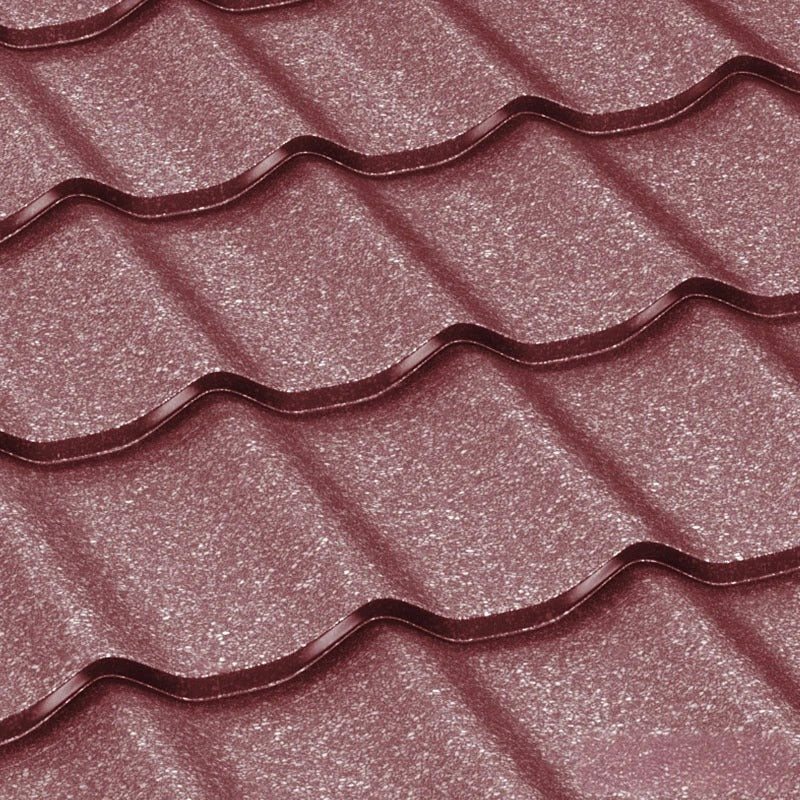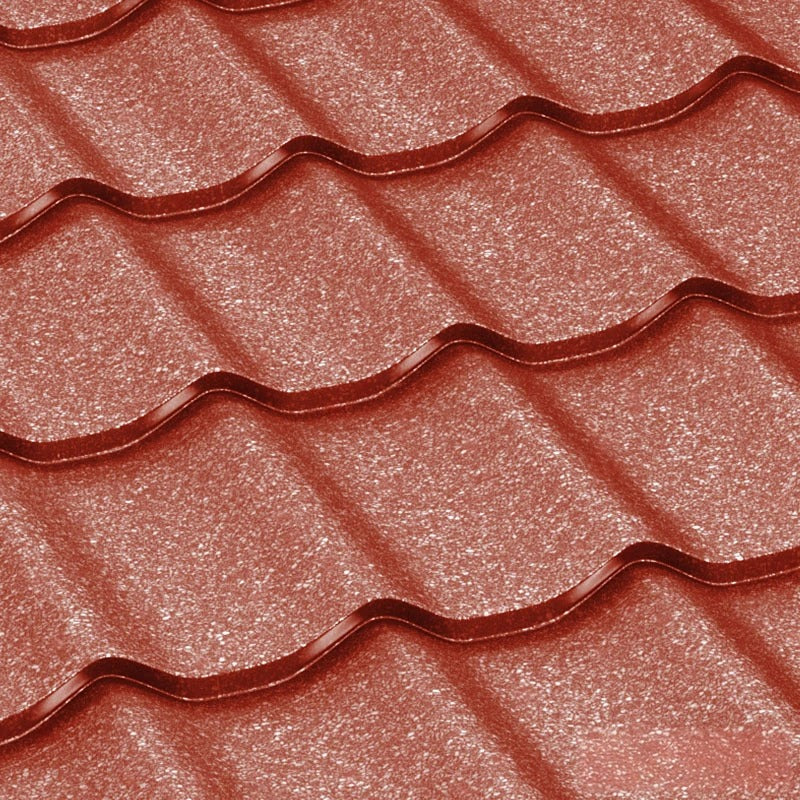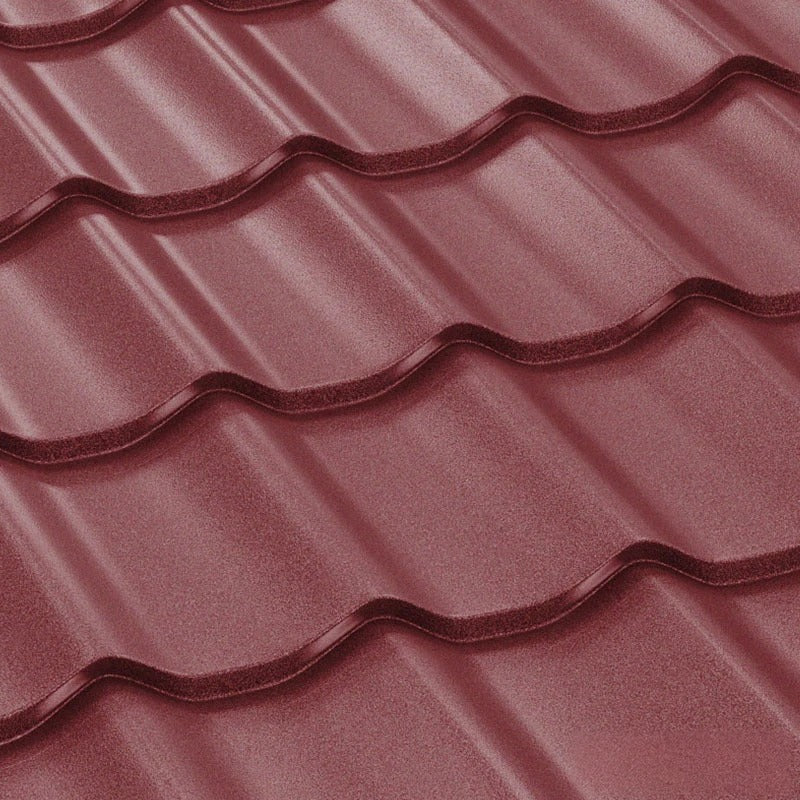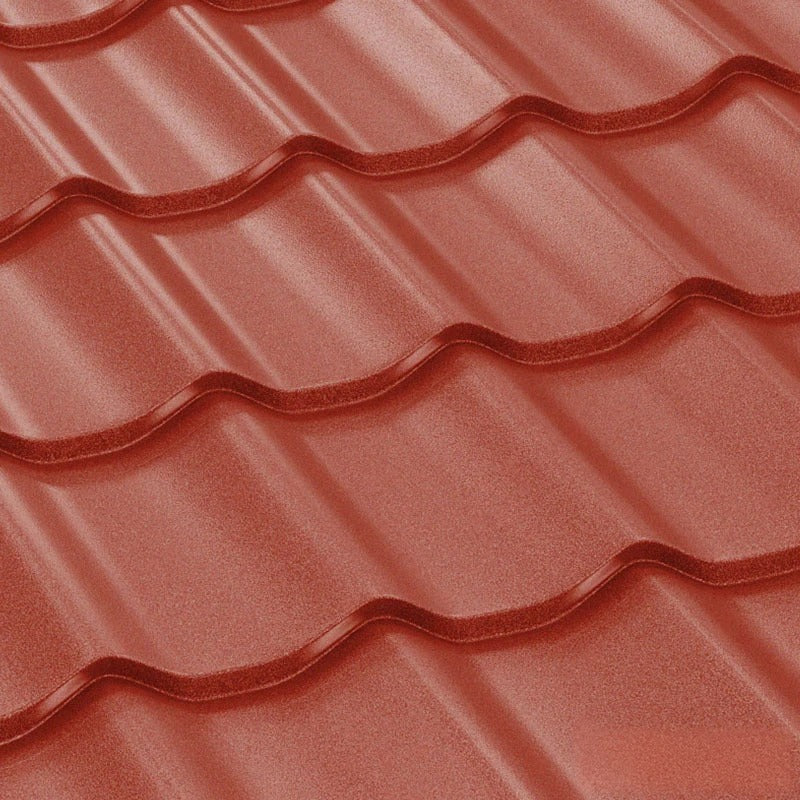

Roof repairs with metal and bituminous tiles start with a simple question – whether to remove the old covering or to build on top of it.
Roof repairs with new metal tiles, sheet metal tiles, or bituminous tiles are the moment when you decide how many years ahead you want peace of mind, without leaks and surprises.
In this text, we will go step by step through the situations where it makes sense to remove the old tiles, when you can build on top of them, what is different with metal roofing, bitumen shingles, and roofing sheet metal, and how not to fall into the trap “cheap now, expensive later”.
In short:
- Remove the old covering when the structure is questionable, there is rotten wood, or the weight becomes excessive.
- You can lay on top of the old tiles only if the base is strong, dry, and well ventilated.
- Metal tiles and bitumen tiles require a proper base – battens, OSB boards, waterproofing, and quality fasteners.
- The repair plan should include gutters, thermal insulation, waterproofing, and details around chimneys and dormers.
Roof repairs: when it really makes sense to remove the old covering
Clear signs that the old roof should not remain underneath
There are times when it is cheaper to remove everything and start fresh. If you see sagging parts, cracked load-bearing beams, or wet spots on the boards underneath, the old tiles are no longer just an aesthetic problem.
When the wooden frame is compromised, even the highest quality Metal tiles or profiled sheet metal won’t save the situation – they will just “mask” a structure that continues to operate on the edge.
Removing the old covering is almost mandatory when:
- The wooden Beams are rotten, cracked, or twisted.
- The boards or OSB boards are swollen, soft, or visibly wet.
- There have been multiple leaks and temporary patching solutions.
- You plan to add new Thermal insulation and waterproofing according to all the rules.
In such cases, new metal or bitumen tiles must rest on a strong, dry, and straight base. Otherwise, you are just postponing the big problem for later.
The weight of the roof – the hidden factor often overlooked
Classic ceramic tiles are much heavier than modern metal tiles and bitumen shingles. If you simply put a new layer over the old one, the structure may become overloaded.
Especially with old houses outside big cities and during renovations in villages, it is important for an engineer to assess the kilograms per square meter. Sometimes removing the old tiles actually lightens the roof, even though you add a new covering.
Metal tiles on an old roof – when it is and isn’t a good idea
"Can I put metal tiles on the old tiles?"
This is one of the most common voice requests: "Can I put metal tiles on an old roof without removing it?" The short answer is: sometimes yes, but it is not always reasonable.
If the old covering is bitumen shingles in good condition, without bubbles and soft spots, sometimes it can remain as an additional protective layer. On top of it, a frame of Battens and counter-battens is made, quality fasteners are installed, and then the new metal tiles work smoothly.
But there are situations where metal tiles on an old roof are risky:
- The old ceramic tiles are displaced and there are cavities under them.
- The base under the tiles is weak, and you are adding more weight.
- Ventilation under the covering is poor and condensation forms.
The metal roof is light but very "sensitive" to details – waterproofing, under-roof foil, ventilation openings, proper drainage to Seamless gutters or a classic drainage system.
When it is worth exposing the roof to wood
Removing the old shingles is the golden option when you want full control over every layer – from the beams to the last roofing sheet metal. The exposed skeleton allows you to replace rotten elements, add new Boards or OSB, install modern thermal insulation, and make waterproofing with Voalit or roll membranes.
Thus, the new Roofing sheet metal or metal tiles rest on a "clean slate" and the chance of future leaks drops sharply.
Bitumen shingles over old covering – special cases
When bitumen shingles can remain as a second layer
For pitched roofs, where the base is a solid wooden board sheathing or OSB, there is often a temptation to put new Bitumen shingles over the old ones. In some cases, this is allowed, but only if there is no swelling, the old shingles are well adhered, and there are no signs of leaks on the ceiling.
It is important to follow the recommended number of layers and not to exceed the weight that the structure can bear. Here, the craftsman should not only "look from above" but also inside – along the beams and the attic part.
When the old bitumen covering should be removed
If you are looking for an answer to the question "When is it better to remove the old bitumen tiles during repair?", it is: when there are multiple patches, bubbles, burnt areas, or signs of prolonged leaks.
In such cases, the most sensible move is to remove everything down to a solid base, replace the wooden material, and prepare the roof for new bitumen tiles or even for switching to a metal roof with systems like Double Fold or Click Panel.
Planning the entire roof repair, not just the tiles
The layers under the tiles – this is where the repair is won or lost
The roof is not just tiles. Under the metal and bitumen sheets lie insulations, foils, wooden elements, and dozens of details. It is good to plan together with the choice of new tiles also:
- new Thermal insulation for lower heating costs;
- quality waterproofing with SBS waterproofing or APP waterproofing for flat areas;
- new Fastening elements for stable installation;
- replacement or addition of Roof windows for more light in the attic.
When you strip the roof and remove the old tiles, you have the perfect moment to decide all this at once, rather than "in pieces" over several years.
"How much does the repair cost if we remove the old covering?"
Another typical voice request is "roof repair price with removal of old tiles." The cost depends on the area, chosen materials, and complexity – whether there are dormers, chimneys, breaks, valleys.
For a realistic idea, it is best to request a specific offer and inspection. This way you can see whether metal tiles, bitumen tiles, Thermopanels or a combination of several systems will be used.
Answer a few quick questions before you start the repair
"Is it mandatory to remove the old tiles?"
Not always. If the roof structure is sound, there are no leaks, and the old covering is stable, sometimes it can be used as an additional layer. But if there is suspicion of rotten wood, sagging parts, and accumulated moisture under the roof, removal is the safer and long-term solution.
"When is it better to replace everything – from the beams up?"
When you plan a serious renovation of a house, attic floor, or new attic office. Then it makes sense to remove the old covering, rearrange the structure, add thermal insulation, and build a new roof with metal tiles or roofing sheet metal.
"Who will deliver the materials to the site?"
Online ordering of roofing materials makes sense only if delivery is well organized. Therefore, when choosing materials, it’s important to know that there is specialized transport in Sofia and throughout Bulgaria, delivery directly from the factory for larger orders, and the possibility of shipping with courier companies like Econt and Speedy when quantities are smaller.
"Who will do the installation of the metal or bitumen tiles?"
For complex roof structures, especially with pitched roofs, dormers, and flat zones, it’s most reasonable to use professional installation. One incorrectly screwed connection or a missed strip can cancel out the advantages of even the most expensive material.
If you want to see how a team works on site or get oriented about the options, check the Roof Repair page and other services on the site.
When the new roof starts with removing the old covering
Ultimately, the decision whether to remove the old tiles is not a "fashion whim" but a technical solution – related to safety, durability, and budget. Metal tiles, bitumen tiles, profiled sheet metal, waterproofing, gutters, and wood materials work as a system, not as separate pieces.
The best approach is to do an inspection, discuss the details with an experienced team, and get a clear offer – including delivery to the site and professional installation if you decide to entrust it entirely. This way, your repair won’t be just a cosmetic change but an investment in a home that stays dry, quiet, and orderly for years, and if you’re looking for a partner for planning, materials, and execution, the LATIVA team can help you from the first question to the last screw connection.
When planning your next roof repair, take the first step today – browse the material categories, choose a solution for removing or preserving the old covering, and contact us through the Contact page to start together.