
Thermopanels prices and installation: how to choose the right type for your building
Thermopanels prices and installation are topics every investor and builder asks about from the start. Sandwich panels prices and installation sound simple, but the choice depends on the building's purpose, construction, and energy efficiency requirements.
You will see which cores are used, how roof and facade panels differ, what affects the offer, and how to plan installation without surprises.
What insulating panels are and why they are so sought after
Modern insulating sandwich panels are a three-layer system: metal face, thermal insulation core, and metal back. The construction combines strength, good thermal insulation, and fast installation.
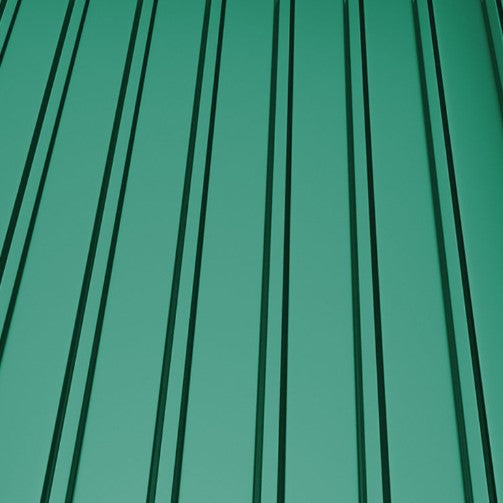
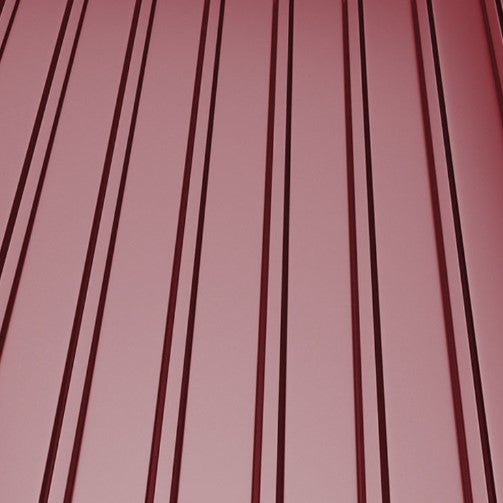
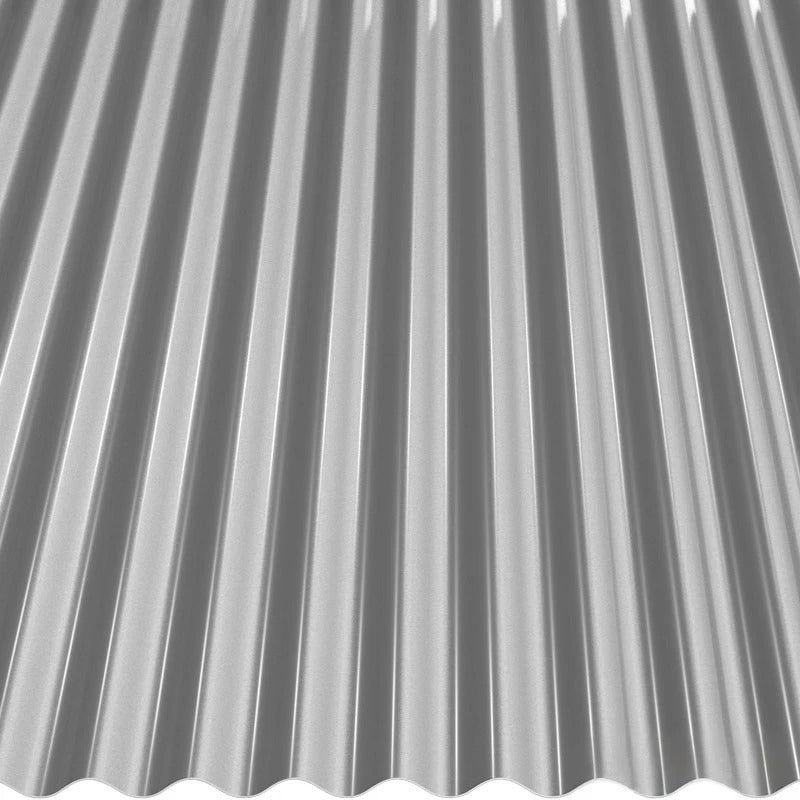
Metal claddings are usually galvanized sheet metal with a polymer coating for corrosion resistance. The profile can be smooth, micro-ribbed, or trapezoidal, depending on the architectural concept and project requirements.
Polyisocyanurate and polyurethane foam – high energy efficiency
Panels with polyisocyanurate have low thermal conductivity and allow for a thin wall with the same thermal insulation. This is great for refrigerated rooms, logistics, and production halls with temperature control.
Polyurethane foam offers similar efficiency and is popular for warehouses, showrooms, and commercial spaces. With similar thicknesses, you get low energy losses and a stable indoor environment.
When the goal is minimal heating and cooling costs, these cores are the natural favorite. They make the building more economical from day one.
Expanded polystyrene – a rational budget with clear requirements
Expanded polystyrene provides good thermal insulation at a more affordable price. It is suitable for storage and auxiliary rooms without high fire requirements.
For plans involving further insulation or when the load is low, this core is a practical compromise. It is important to ensure proper design and clean installation.
Stone wool – fire resistance and acoustic comfort
Panels with stone wool are the choice when you have requirements for fire reaction and better sound insulation. They limit flame spread and provide peace of mind during inspections.
For industrial facilities, public buildings, and rooms with people, stone wool is a strong argument. It combines stable geometry, good comfort, and reliability over time.
If you are looking for a balance between fire safety and long-term durability, you are unlikely to go wrong here. Yes, they weigh a little more, but the advantages are clear.
Roofing vs facade panels – differences that save problems
Roof thermopanels have a profile and connection that drain water and withstand snow load. They are fastened to the supporting structure with special screws and seals.
Facade panels focus on architectural appearance, straight joints, and hidden fasteners if needed. They allow a clean look and easy combination with cladding details.
Choosing a roofing panel for a facade or vice versa is a recipe for compromise. Always use the correct type for the task.
Prices of insulating panels – what affects the offer
The final price is formed by the type of core, thickness, and coating. Length and quantity are also decisive because they optimize cutting and transport.
Additional elements are added to this: claddings, caps, ridge parts, seals, and fasteners. Installation is a separate item, depending on the complexity and height of the site.
Logistics also affect: site access, unloading possibilities, delivery schedule. Proper planning increases efficiency and lowers the overall cost.
- Panel thickness and thermal insulation core.
- Type – roofing or facade, type of joint.
- Coatings and colors according to the environment.
- Lengths, quantity, laying scheme.
- Accessories, seals, and fasteners.
- Installation and transport to the site.
Related products and planning pages
Select the category Thermopanels for specific solutions by thickness and profiles. For facade appearance, see Facade panels, and for roofing systems – Roofing sheet metal.
If the building requires metal cladding and supporting profiles, check out Profiled Sheet Metal. For fastening, use the correct Fastening Elements and seals.
Check step-by-step guidelines in Installation Instructions and helpful articles in How to Install. For deadlines and rates, open Delivery Information.
For renovations and combinations with other coverings, see Bituminous Tiles, Metal Tiles and Seamless Gutters. For additional insulation – Thermal Insulation.
Panel installation – basic principles worth following
Good preparation is half the installation. The supporting structure must be leveled and straight.
Before installation, check the cutting and direction of the joints. The arrangement affects water drainage and the accuracy of the details.
Use appropriate self-tapping screws with washers for tight fitting. Apply sealing tapes on joints and details around windows and openings.
Finish claddings on cornices, corners, and wall junctions provide a complete look and protection. Good perimeter is almost as important as the panel itself.
If you plan complex cutouts and transitions, consider them in the project. This reduces waste and saves the team's time.
For full clarity and safe execution, review the Installation Instructions and order professional installation if needed.
How to choose the right type
For cold rooms and spaces with constant temperature control, opt for polyisocyanurate. Low thermal conductivity reduces energy costs.
For public buildings and production areas with fire resistance requirements, a core of stone wool is sensible. Acoustic comfort is an additional bonus.
For warehouses and auxiliary buildings without special fire requirements, expanded polystyrene is practical. The budget stays under control, and the walls are clean and tidy.
Roof or facade – how not to make mistakes
For roofs, look for a profile with good load-bearing capacity and compatible sealants. The slope and laying direction are critical.
For facades, think about appearance and joints. Hidden fasteners provide a smooth look and fewer interruptions.
Combining facade panels with details from Обшивки за стрехи and drainage with Водосточна система makes the facade durable.
Details and accessories – the small things that make the difference
For a strong installation always choose the right fasteners. They are designed for specific thicknesses and loads.
When reconstructing a roof, combine panels with OSB плоскости and suitable ARR хидроизолации or SBS хидроизолации, depending on the task.
Questions and answers
Installation on wooden or metal structure? Both are possible, provided the load-bearing capacity is calculated.
What thickness for the wall? It depends on the climate zone and purpose, but greater thickness reduces losses.
Can it be repaired locally? Yes, a damaged element is replaced without a full reconstruction.
Plan delivery and installation with a single inquiry
We offer specialized delivery to the site, including directly from the production base for larger orders. For all other orders, there are convenient options with transport or courier companies.
Our team assists in material selection and can perform professional installation of roofing and facade systems. Contact us for a free consultation and an accurate quote based on drawings.
See the pages Delivery Information, Warranties, and if you need roofing services – Roof Repairs. For frequently asked topics, open Frequently Asked Questions.
You are ready for action
If you are looking for a quick solution, combine the choice of a panel from the Thermal Panels category with the right fasteners and peripheral details. Don't forget drainage and protective claddings.
If you need a transparent daylight element, add solutions from Roof Windows. This way, the facade and roof work as a system.
For a quote and inspection, send an inquiry through the Contact page. One consultation saves time and mistakes. LATIVA is just one step away.
Finally, plan wisely, choose informed, and schedule the installation. This way you get the most out of the investment and maintain calm and control.