
Roof windows bring light and air where it’s usually dark. Attic windows are the fastest way to make the room under the slope more lively without diving into endless renovations.
We’ll go through measuring, placement, opening type, and insulation, plus those "little things" that decide everything: cladding, waterproofing, and delivery. In the end, you’ll have a clear plan of what to order and in what order, without unnecessary confusion.
A 30-second guide:
- Measure the opening and the distance between ribs before looking at models.
- Choose the opening type based on installation height and furniture.
- Double glazing + thermal frame = less condensation and less noise.
- Cladding and waterproofing protect against leaks and "hidden" damp spots.
- Plan delivery and installation in one schedule, or it drags on.
To see all options in one place, open Roof Windows and filter by your roof and room needs.
In the collection, you’ll find brands like FAKRO, VELUX, and TONDACH, plus shading accessories and installation details, so you don’t have to hunt for parts separately.
Roof windows: start with the light, not the catalog
Before looking for a "roof window price," decide what you want to improve: light, ventilation, or winter comfort. If you skip this, you risk paying for something that looks good in photos but doesn’t work wonders in the room.
Direction, height, and a sense of spaciousness
The south slope gives more light but also more heat; the north is more even. Height is critical: if the handle is too far, the window stays closed and the room gets stuffy again.
- Position it so you see the sky, not just the roof.
- Leave space for a blind or awning in strong sunlight.
- Don’t place it directly above the bed if you don’t want light in your eyes early in the morning.
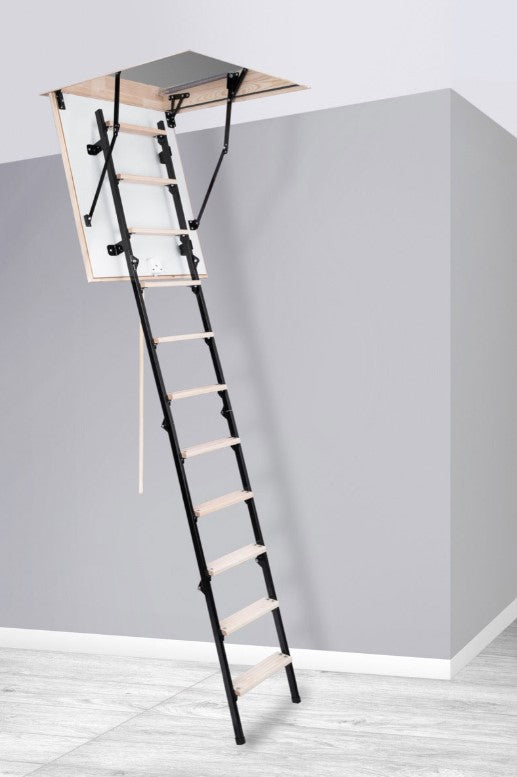
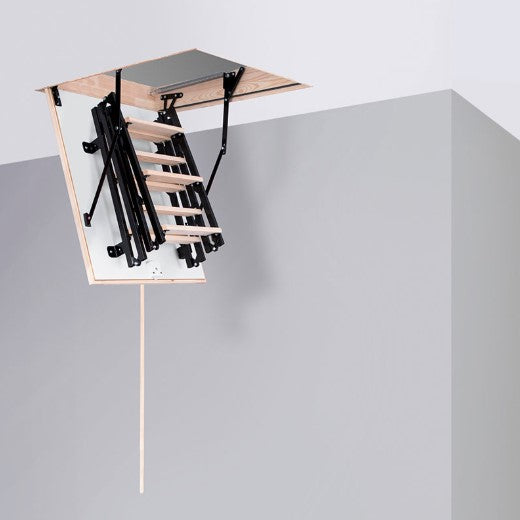
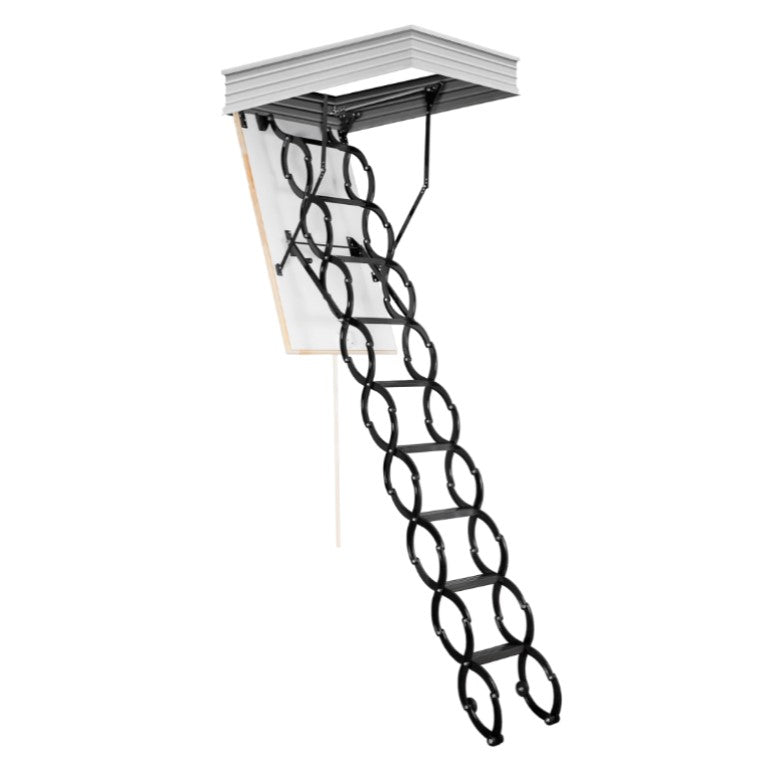
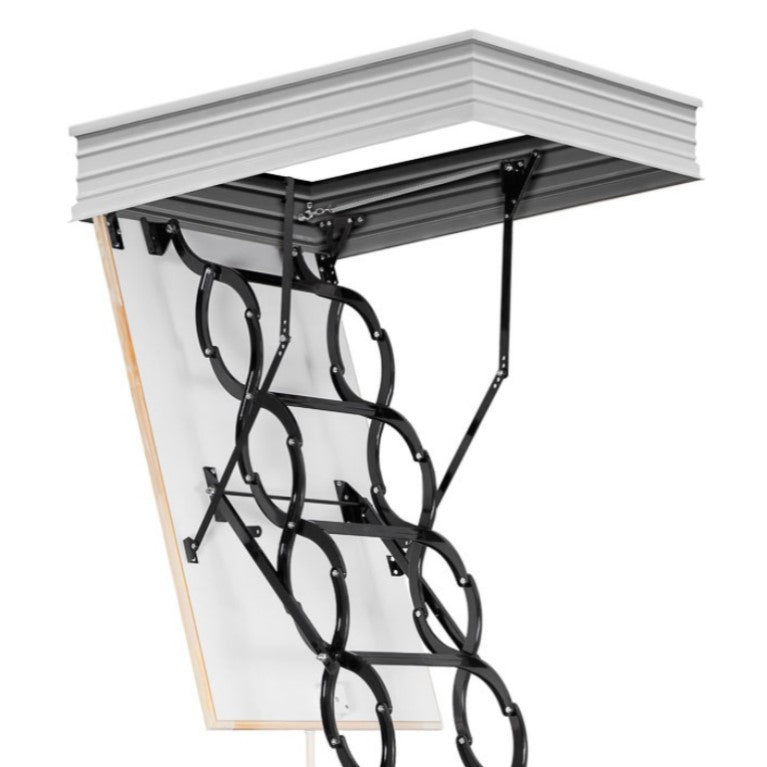
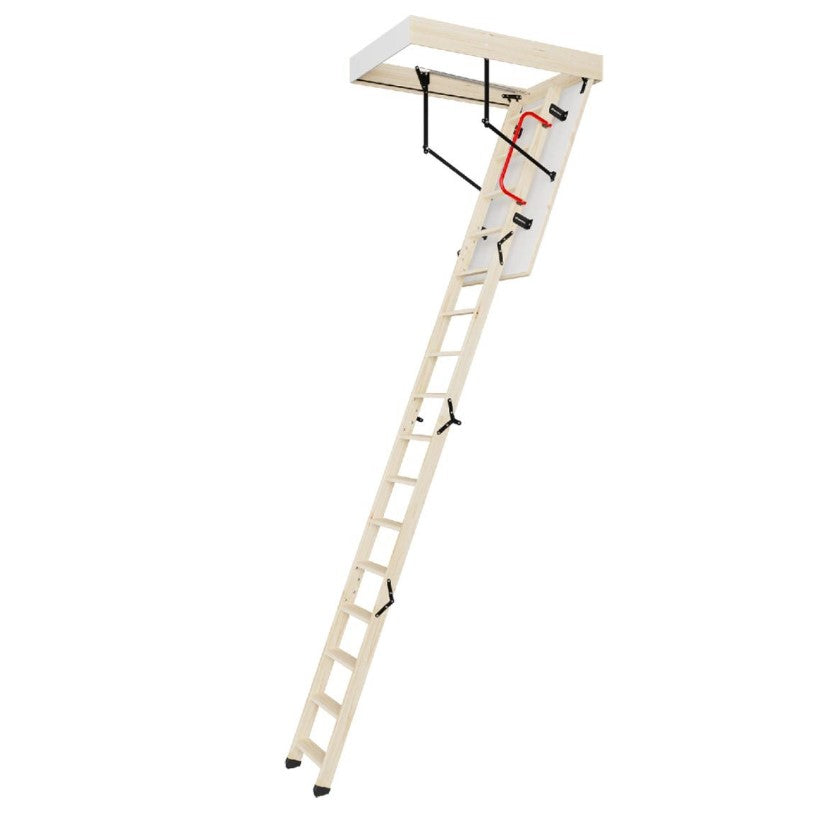
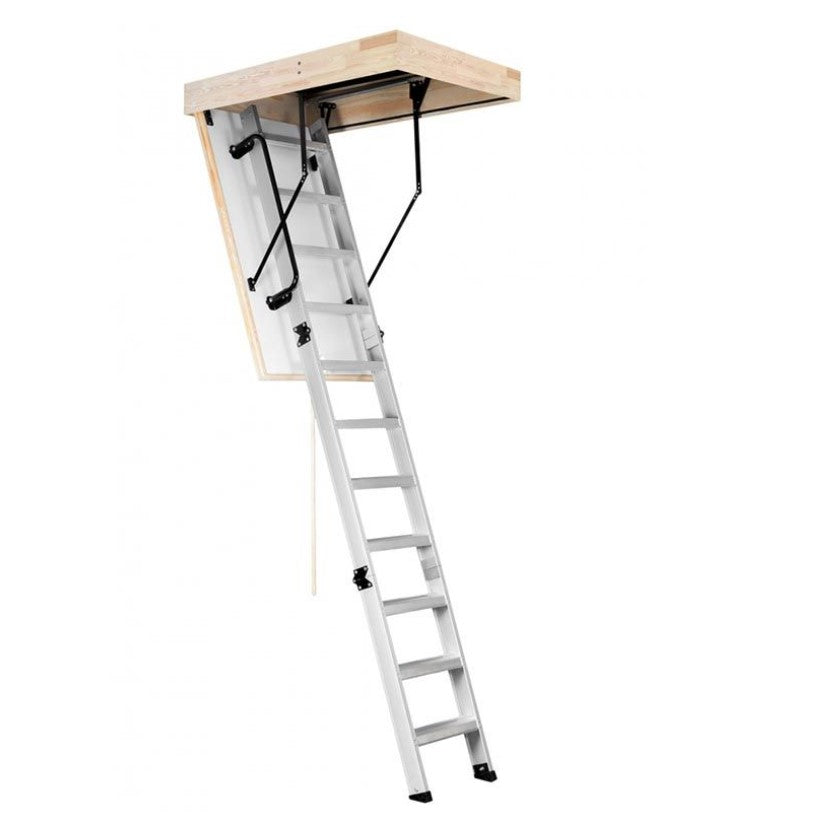
When the attic becomes a room, access to it becomes important. If your ladder is currently "by luck," check out Attic Ladders and save yourself the daily hassle.
Want a quick tip on what fits your project? Write through Contact and tell us the slope and approximate opening.
Attic windows: size is chosen with a tape measure, not by feel
The size is determined by the structure and slope, not just by the desire for “more glass.” Measure the clear opening, check if there’s room for the mounting frame and cladding, and only then choose a model. In attic rooms, you often gain more from proper placement than from maximum size.
Voice questions that are most useful.
- What size attic window should I install for a small room? Answer: start from the distance between the ribs and choose a width that fits without heavy modifications.
- Which roof window is suitable for a bathroom in the attic? Answer: look for reliable cladding, good ventilation, and uncompromising installation, because moisture there is constant.
- How to choose a roof window according to the distance between beams? Answer: if it doesn’t fit standard, it’s better to plan reinforcement and calculate materials in advance.
- Is a triple-glazed unit worth it for an attic room? Answer: yes, if you will heat regularly and want a quieter and more stable feeling.
When the structure is touched.
For wider openings, reinforcement or redistribution may be necessary. Then it’s worth planning the wood and cladding: Beams, Laths, and Boards. For interior cladding and smooth surfaces, OSB boards are often sought.
If you’re wondering where to start technically, open the Frequently Asked Questions and clarify what’s included in the set and what is ordered separately.
Roof window: an opening that fits your daily life.
Opening is convenience. If it’s inconvenient, ventilation becomes “someday,” and then moisture and odors follow. Choose a mechanism that matches the installation height and how you’ll use the room.
The most practical options, no marketing.
- Central axis: easy to operate and clean, a good standard for many rooms.
- Top hanging: a freer view, but requires the right height and access.
- Fixed option: if you only want light, without the need for regular ventilation.
If the window is above a desk or countertop, think about how you will reach the handle without moving furniture. For specific steps, see Installation Instructions and How to Install.
Thermal insulation: glazing unit, frame, and the battle with condensation
In an attic room, condensation is a more common problem than cold. It usually appears when the insulation around the opening is interrupted or ventilation is poor. The solution is a package: glazing unit, insulation detail, and the correct layer on the room side, without "holes" or compromises.
What affects prices and why this is normal
- The size and type of glazing unit (double or triple).
- The set of claddings and seals that protects against water and wind.
- Accessories like blinds, awnings, and controls for higher installations.
If you are doing a larger project, combine with materials from Thermal Insulation, otherwise there is often a "cold ring" around the window and the feeling is unpleasant. And yes, sometimes insulation is exactly the difference between "great" and "why is it sweating."
- Do not seal the room without ventilation; moisture always finds a way.
- Allow for sun control if the room faces south.
Installation and details: claddings, waterproofing, and roofing material
Leaks almost always come from the detail around the window, not the glass itself. Installation must be compatible with the roofing material and the way water is directed downward. This is the moment when "craftsmanship" without a system becomes the most expensive.
Match the detail to the roof you have
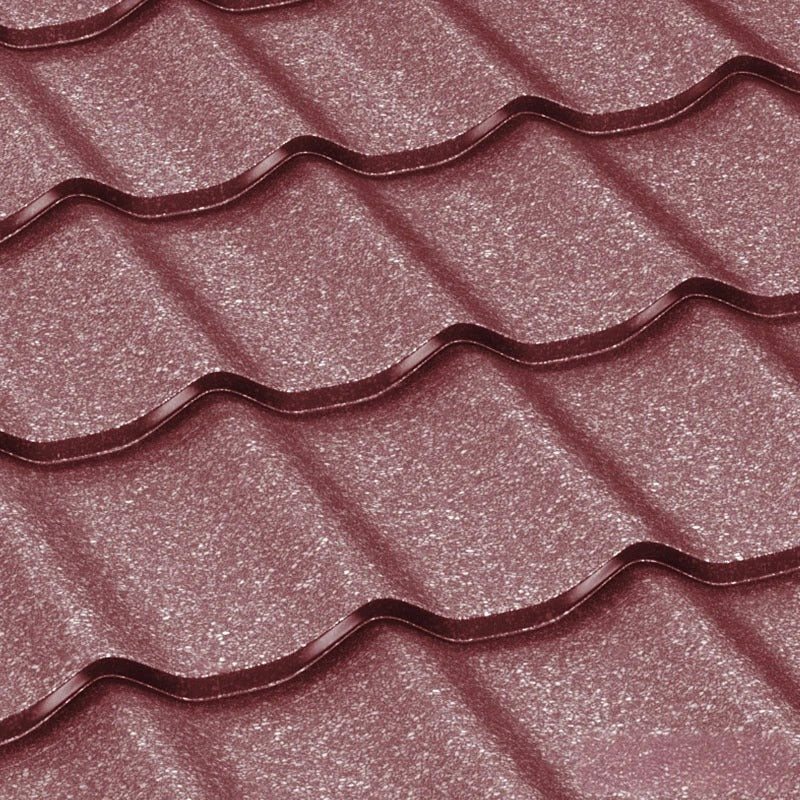
For metal roofs, it makes sense to combine the project with Metal Roof Tiles or Roofing Sheet Metal, because the fasteners and claddings are matched to the profile. If the roof has shingles, check out Bitumen Tiles and plan the detail according to the base and underlayment.
For areas that need extra protection, waterproofing may be required. Check out ARR Waterproofing, SBS Waterproofing, and if you have a flat detail or underlay, also explore solutions for Flat Roofs.
Fasteners and tools: don’t leave it to chance
The roof works under tough conditions, so fasteners and tools are no place for improvisation. Check out Fasteners and Tools to do a clean job and avoid having to come back to "fix" things.
If you’re looking for a service, not just materials, see Roof Repair and request a quote for installing roofing and details around openings.
Delivery and organization: so you don’t end up with an open roof
Order as a package: window + cladding + insulation + fasteners. This way, installation goes quickly and you won’t wait for the "last little thing." There is specialized transport in Sofia and throughout Bulgaria, and for larger orders, delivery directly to the site from the factory is possible. For smaller quantities, delivery is available via a transport company or through Econt or Speedy courier services.
Check the terms in Delivery Information, open Warranties, and if you have a specific issue, ask it in Frequently Asked Questions.
As a project addition, think about water too. During heavy rains, gutters protect the facade and foundations: Seamless Gutters or Classic Drainage System.
Ready to order? Go to Contact and tell us the roof pitch and opening size to get precise guidance on what to add to your cart right now.
Final tips: think of it as a room, not just a roof.
Plan the attic space as a system: light, air, insulation, detail, delivery. Small decisions (frame, cladding, proper fasteners) sometimes make a bigger difference than "just a bit more size."
My personal trick is to make a mini checklist before ordering: opening size, installation height, how I will ventilate, and what roofing material I have. Then the choice becomes easy, and I don’t get confused by too many models, plus the money goes to things you can really feel.
If you want the attic to become a real room, take it step by step and confidently complete the project with Roof Windows.