
Thermal insulation of the roof is the fastest way to a more even temperature at home, without living in “air conditioning” mode.
Roof insulation gives you control over the attic: less overheating, less cooling down, less moisture in the corners.
I will show you how to think like someone doing a roofing project: which layers work together, which details are usually missed, and how to choose roofing materials so comfort doesn’t “pay” with compromises.
In short, about the solutions:
- Insulation is a system: thermal insulation + waterproofing + ventilation + proper connections.
- Pitched roofs are often combined with metal shingles, roofing sheets, or bitumen shingles.
- Flat roofs require a strong layer of waterproofing and membrane protection.
- The biggest losses are around windows, eaves, dormers, and poorly sealed joints.
Why roof insulation blocks heat and cold
When the roof “heats up,” the attic rooms feel like an oven. When it’s cold outside, heat escapes upward and heating catches up with steam. That’s why people look for at the same time: thermal insulation, roof repairs, shingles price, and roofing sheet prices.
Well-arranged layers reduce temperature fluctuations and keep the structure drier. And when water is properly drained, the risk of wet insulation and stains decreases. It sounds a bit boring, but you notice it every day afterward.
If you are in the selection stage, start with the Thermal Insulation collection and note what you need as a system, not just as a product.
For quick guidance and inquiries, use Contact.
Materials for roof insulation and roofing coverings
Pitched roofs with sheet metal and bitumen solutions
For pitched roofs, the most important are: the air under the covering, the proper base, and reliable details. The sought coverings are:
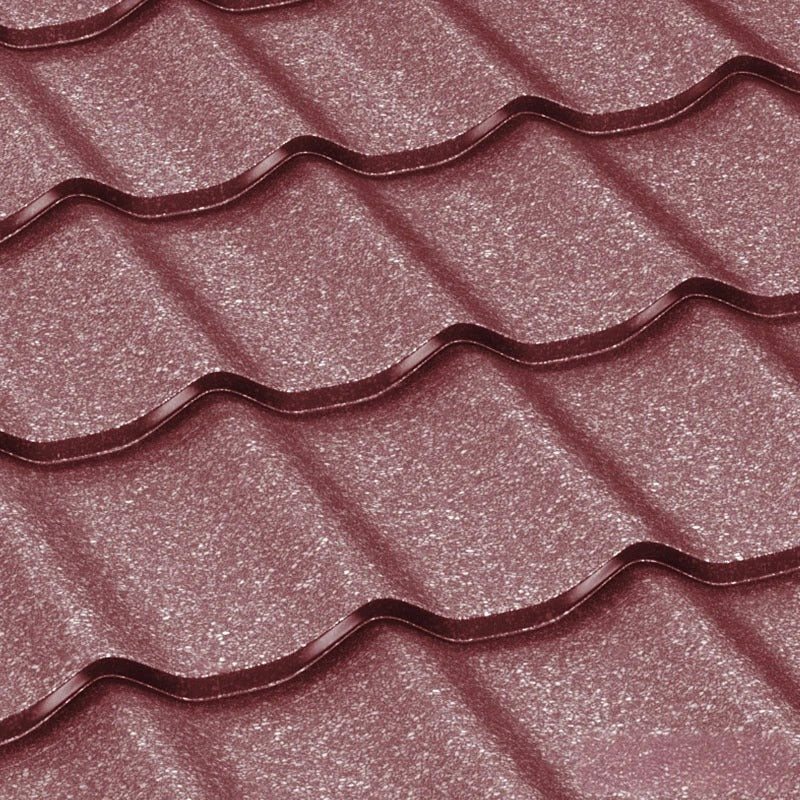
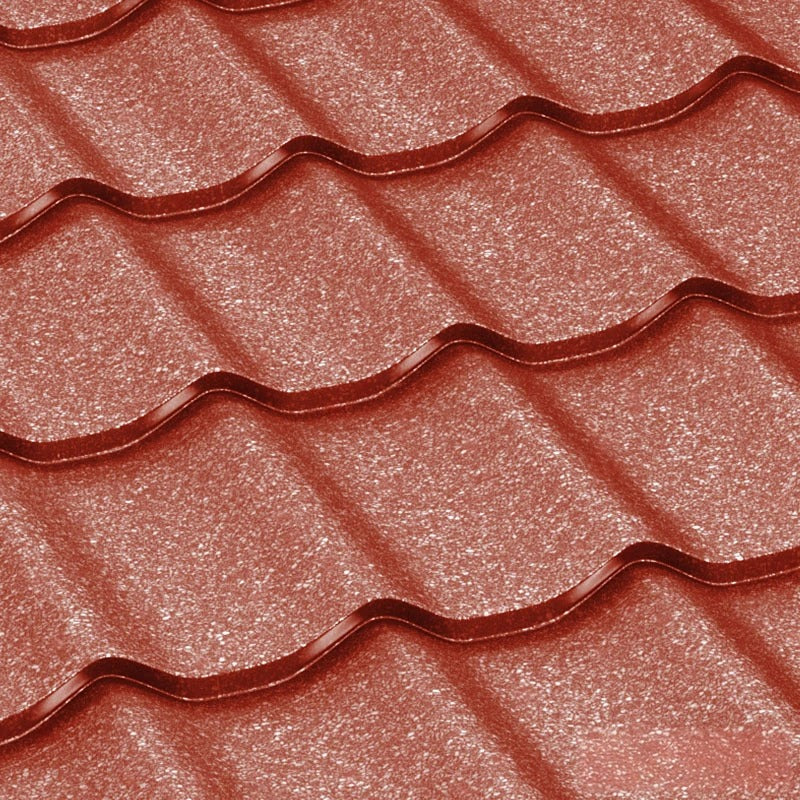
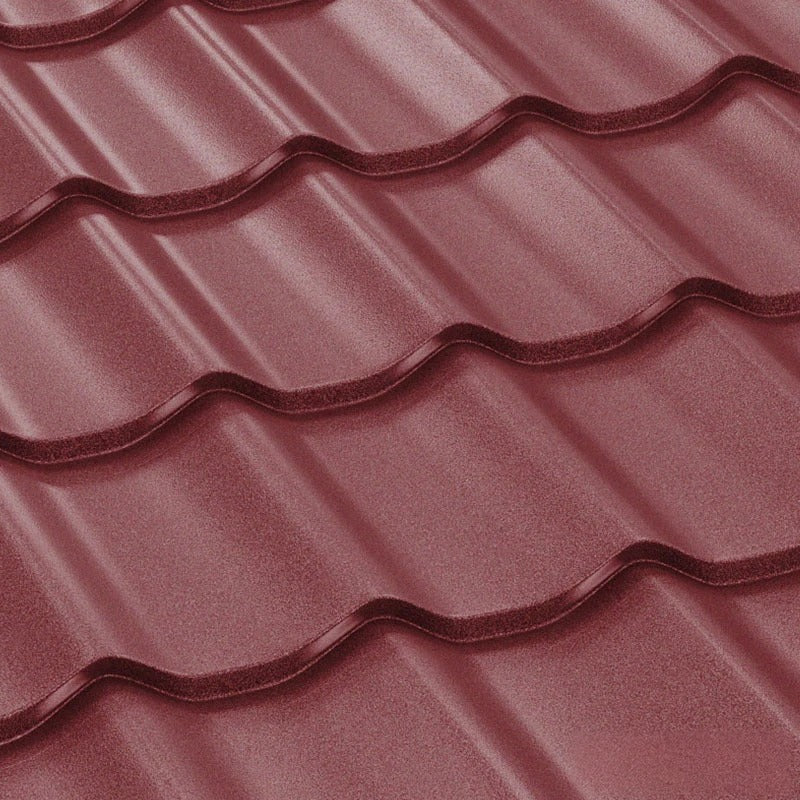
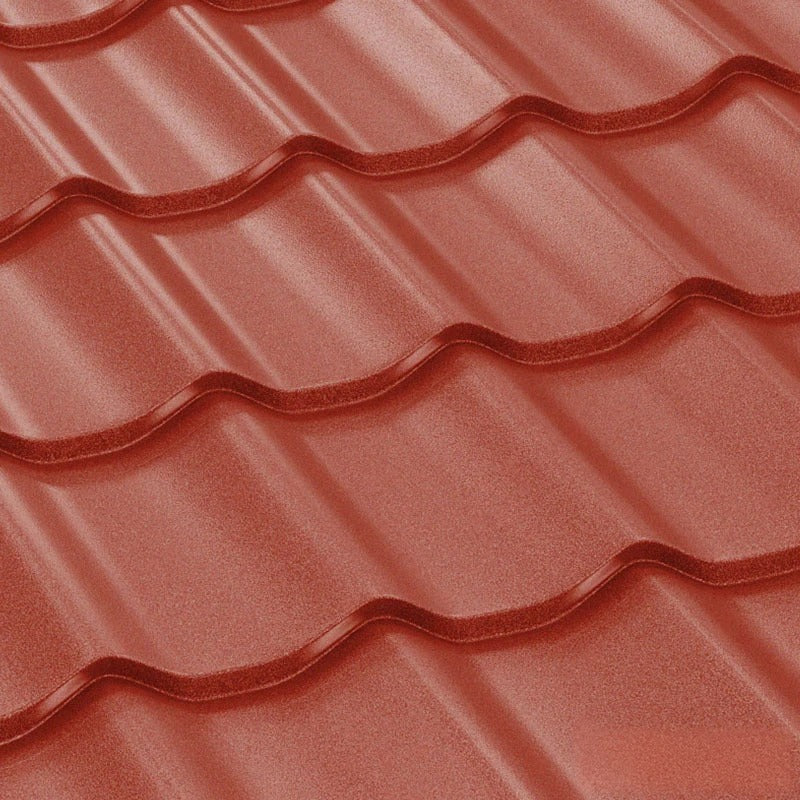
- Metal Shingles – lightweight, popular, and often compared by “metal shingles price” and “metal shingles prices.”
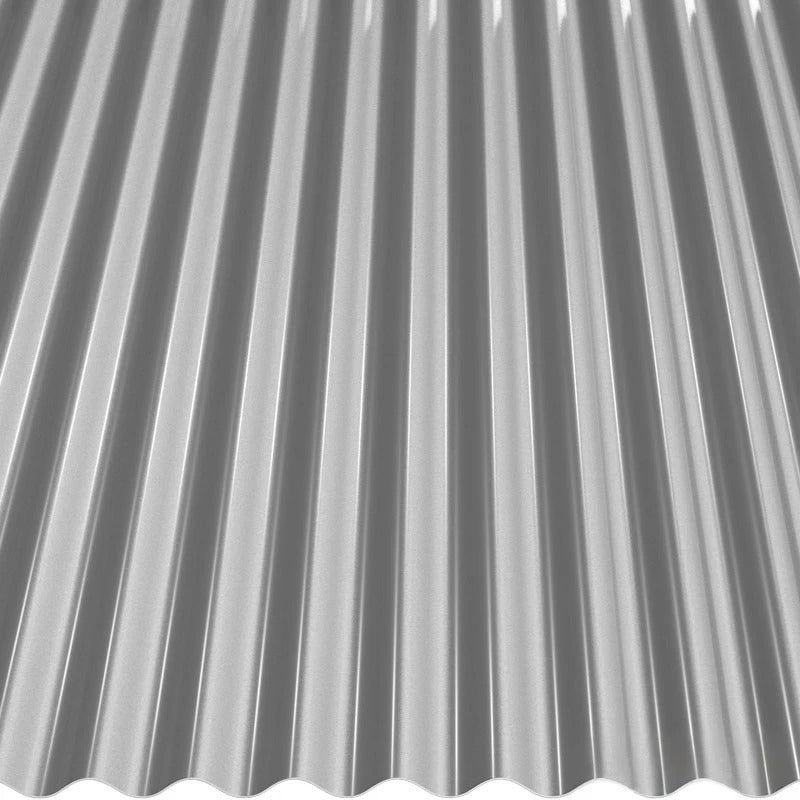
- Roofing Sheet – also sought as sheets for roofs or profiled sheets, especially for large areas.
- Bitumen Shingles – convenient for complex shapes if the base is stable.
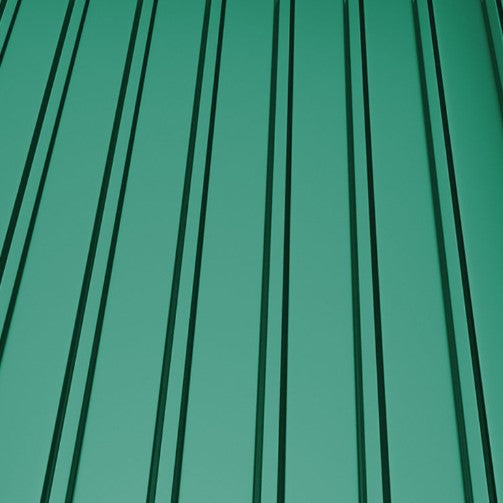
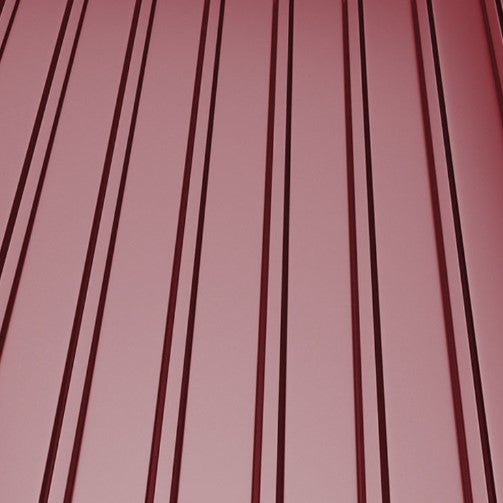
If you’re looking for a more modern look and clean lines, there are also metal systems like Standing Seam Roofs. Options often considered include Click Panel and Double Seam – the idea is simple: good sealing and proper accessories to avoid surprises in wind and rain.
For halls, sheds, or more “worksite” projects, Profiled Sheet Metal and High-Profile Sheet Metal are often sought. And here we return to insulation: without it, metal simply transmits heat and cold faster.
For the base and structure, check Lumber – most often combined are Beams, Battens, and Boards. When a rigid sheathing is needed, add OSB boards.
At the end of installation, don’t forget the small things that aren’t small: Fasteners and Tools. If the exact fastener is missing, time and nerves are lost, and it becomes one of those…
Flat roofs with membranes and voilet
With a flat roof, heat comes from two sides: the sun in summer and heat loss in winter. Here, the system almost always includes roof waterproofing because moisture is the most costly enemy of insulation.
If your roof is part of a complete renovation, it makes sense to also look at Thermal Panels and Facade Panels when you want the effect of "more stable temperature everywhere." You can also combine with Facade Sheet Metal if you are renovating the facade to avoid heat loss through the walls.
Want to clarify which layer goes where? Open Frequently Asked Questions and calmly compare the options.
Common mistakes in roof insulation that later cost money
- You install insulation but block ventilation under the covering and then wonder where the moisture comes from.
- You press the material "to make it tighter" and actually kill its effect.
- You leave the joints around chimneys and openings to chance, without good claddings and seals.
- You buy tiles or sheet metal and forget about gutters, claddings, and fasteners – the small things that hold everything together.
If you don’t want to experiment on the roof, make a plan and ask through Contact.
Details around eaves, gutters, and openings that make the difference
The most common scenario is simple: you buy good materials but lose the effect because of small spots. Eaves, claddings, gutters, joints around chimneys and windows – that’s where the system "breaks" if not carefully planned.
Gutter system and water protection
When the gutters are correct and the claddings are done cleanly, water does not return to the insulation. This is the "quiet" guarantee for a long roof life.
Roof windows and attic stairs without drafts
If you are turning an attic into a room, openings are part of the comfort. Check solutions for Roof Windows and brands like VELUX Roof Windows and FAKRO Roof Windows.
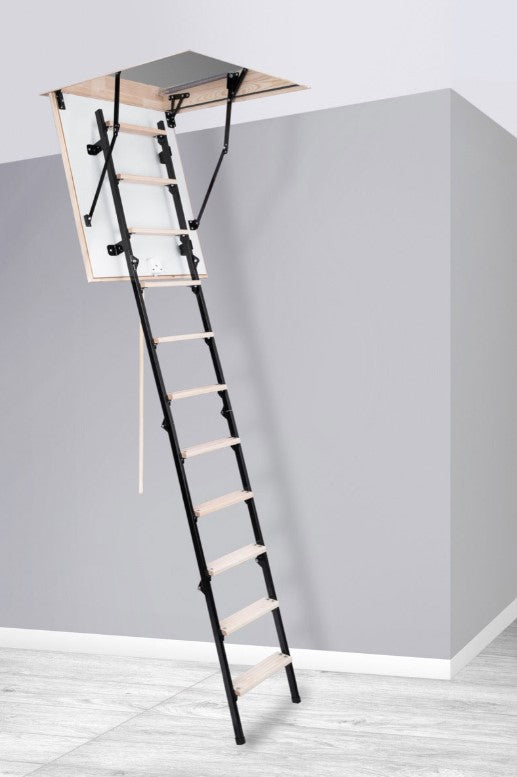
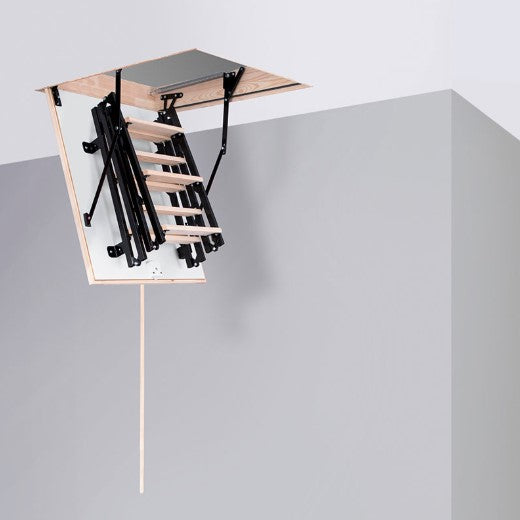
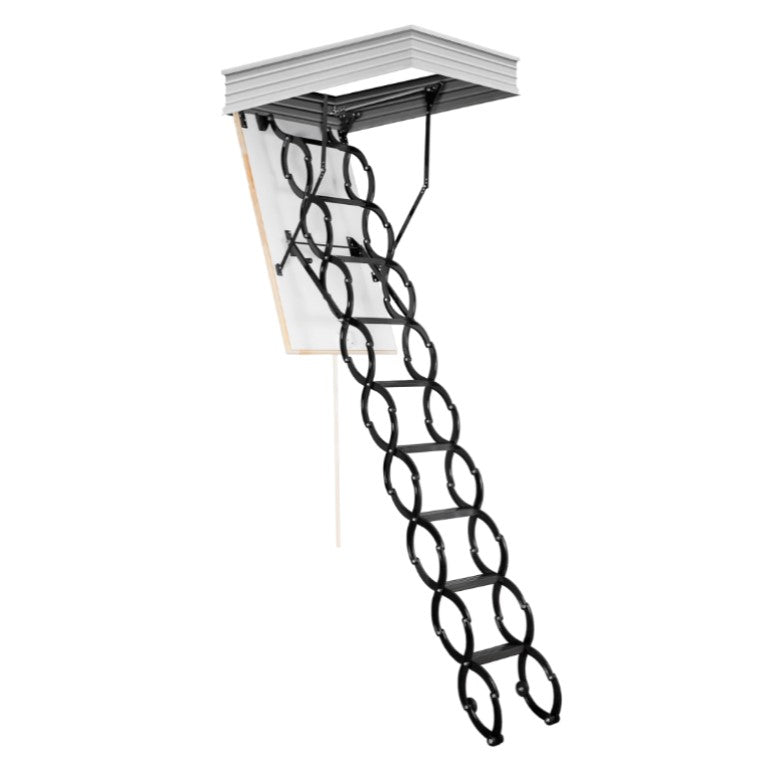
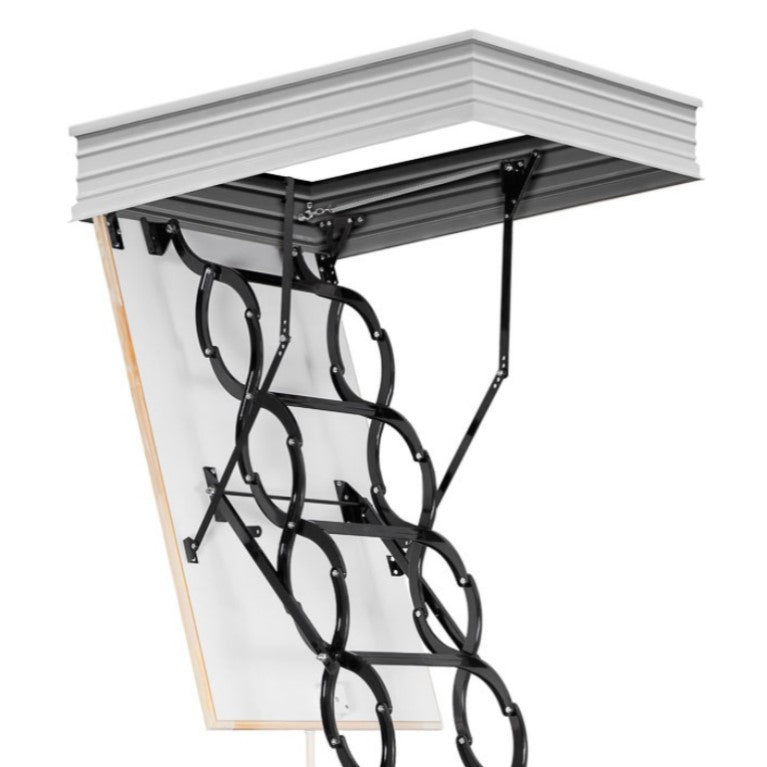
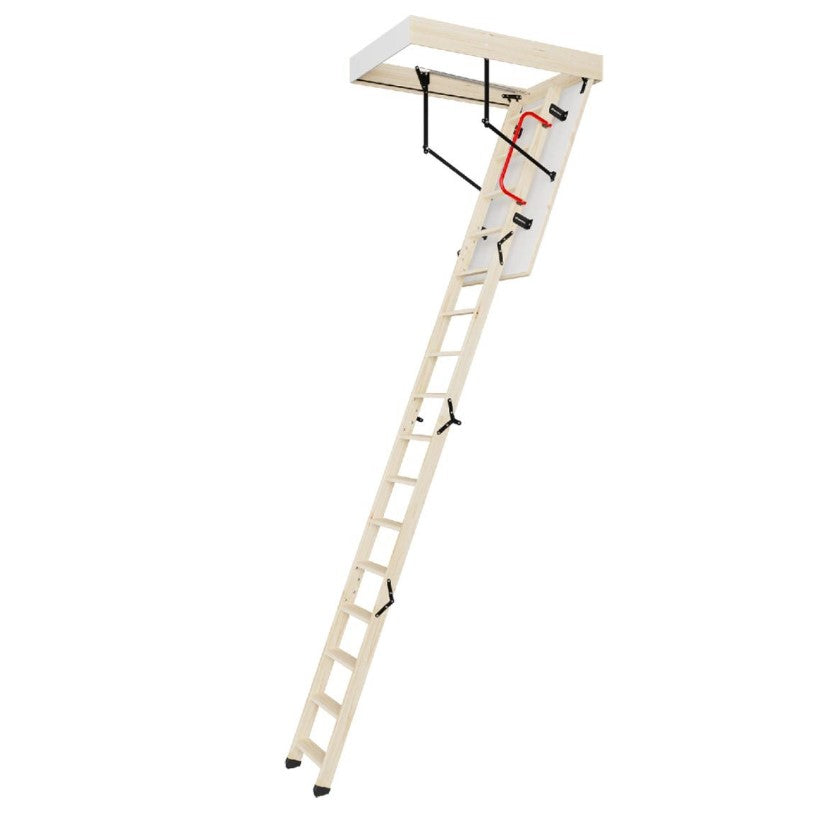
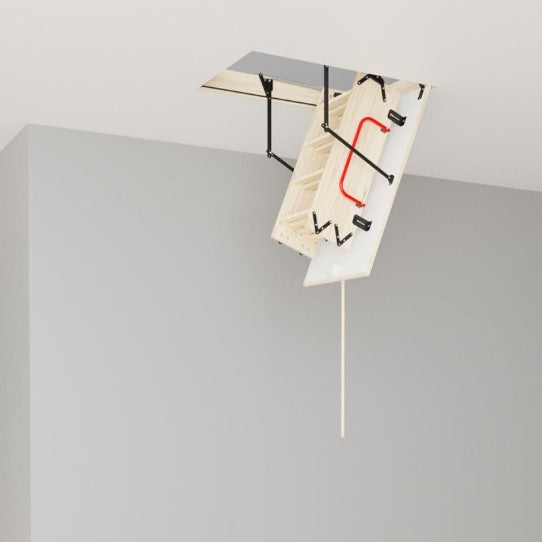
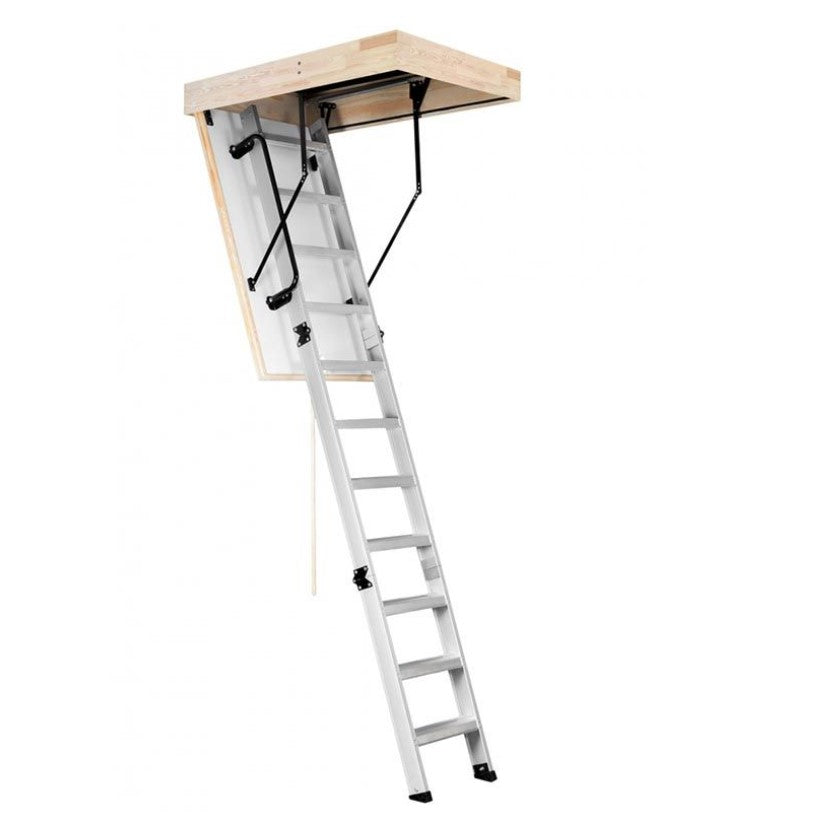
For Attic Ladders, check the seal around the hatch and whether the hatch itself is insulated. Otherwise, it feels strange: you install insulation, but it feels like an open window.
If you wonder where to start, open How to Install and Installation Instructions.
If you are already at the stage of choosing a window or ladder, browse the categories and order calmly online, and if you have questions – write in Contact.
When to think about repairs and how to plan the steps
If there are leaks, sagging, or suspicions of rotten elements, first fix the structure. Then comes the insulation. Otherwise, you risk "trapping" the problem inside and it will return more expensively.
You can start with the Roof Repair service and plan the materials as a set.
- Inspection and clear goal: a habitable attic or just smaller losses.
- Choosing a covering: tiles, roofing sheet metal, or membranes for flat roofs.
- List of details: gutters, claddings, fasteners, chimney flashings.
- Checking warranty terms and post-installation support.
Questions and answers for voice search
Question: What is the difference between roofing sheet metal and metal tiles?
Answer: Both are metal coverings, but the shape and system accessories are different. The choice depends on the look, details, and construction, not just the price.
Question: Can I insulate without replacing the tiles?
Answer: Sometimes yes, but if there is a leak or compromised base, first fix the repair. Then the system works better and longer.
Question: Where can I order roofing materials with delivery to the site?
Answer: The easiest way is to select everything as a set and check the conditions on the delivery page, so you don’t wait for a second trip for one forgotten item.
For peace of mind after purchase, review Warranties and if anything is unclear, ask directly through Contact.
Delivery to the site and ordering without unnecessary trips
When ordering roofing materials, delays usually come from something small: a missing fastener or cladding, some gutters you “left for later.” The easiest way to avoid this is with good preparation and accurate delivery.
LATIVA offers specialized transport in Sofia and throughout Bulgaria, including delivery directly to the site from the factory for larger orders. For smaller quantities, there is an option with a transport company or courier Econt/Speedy, depending on what is convenient for you.
Everything on the topic is gathered in Delivery Information.
If you want to see who is behind the store and how the team works, open About Us and then choose more easily.
Conclusion and personal tips for a smarter choice
When planning roof thermal insulation, think of it as a set: insulation, waterproofing, covering, details, delivery. This way you avoid half-measures and repairs after the repair.
My personal approach is simple: first I decide where I lose the most (openings, eaves, moisture), then I choose the covering and finally finish with accessories. It’s not the most romantic plan, but it’s practical.
If you want to feel the difference this season, ask through Contact for the right system and don’t skip the details, because they “hold” the effect. The final goal is one: roof thermal insulation.