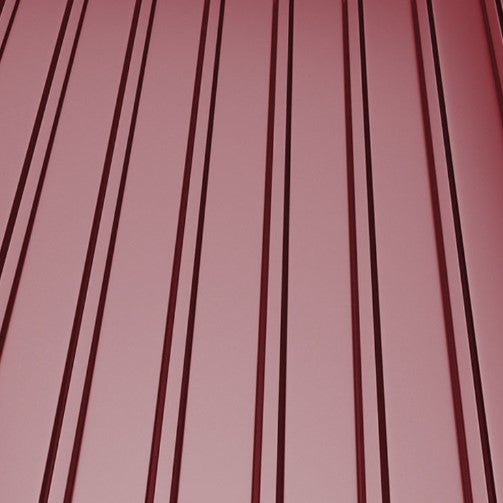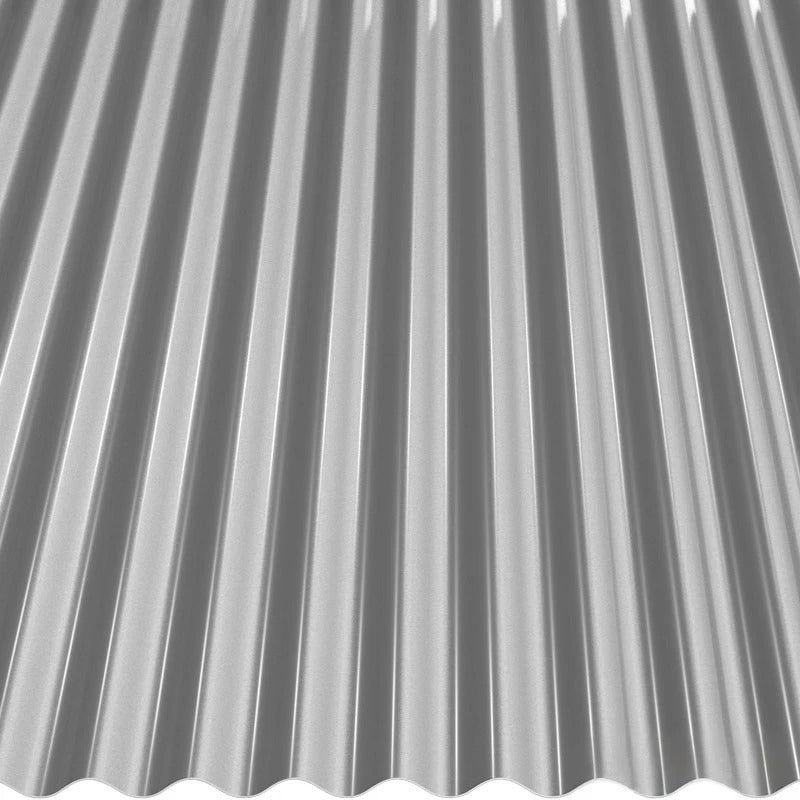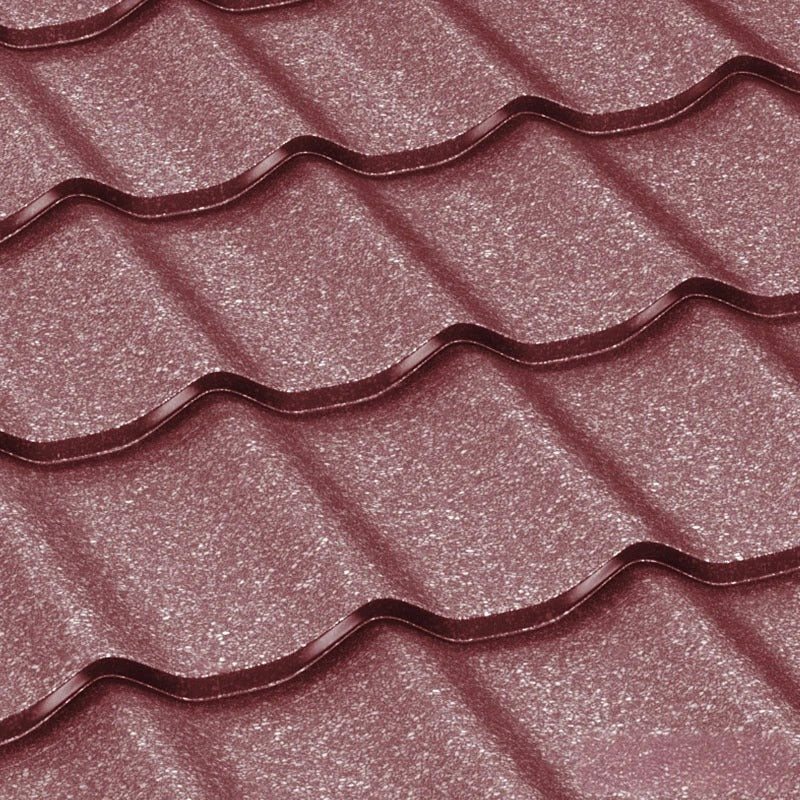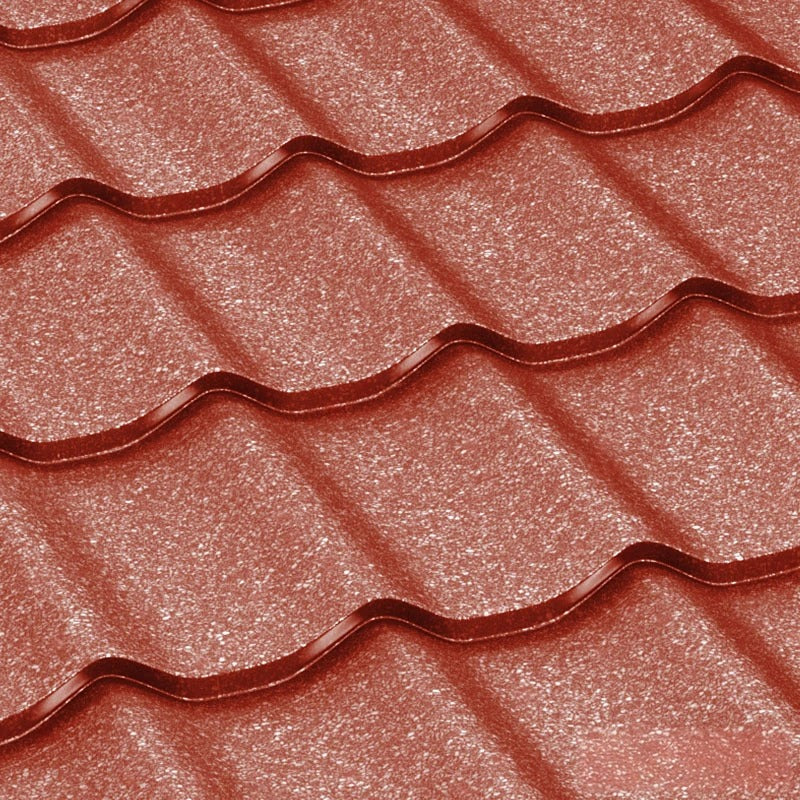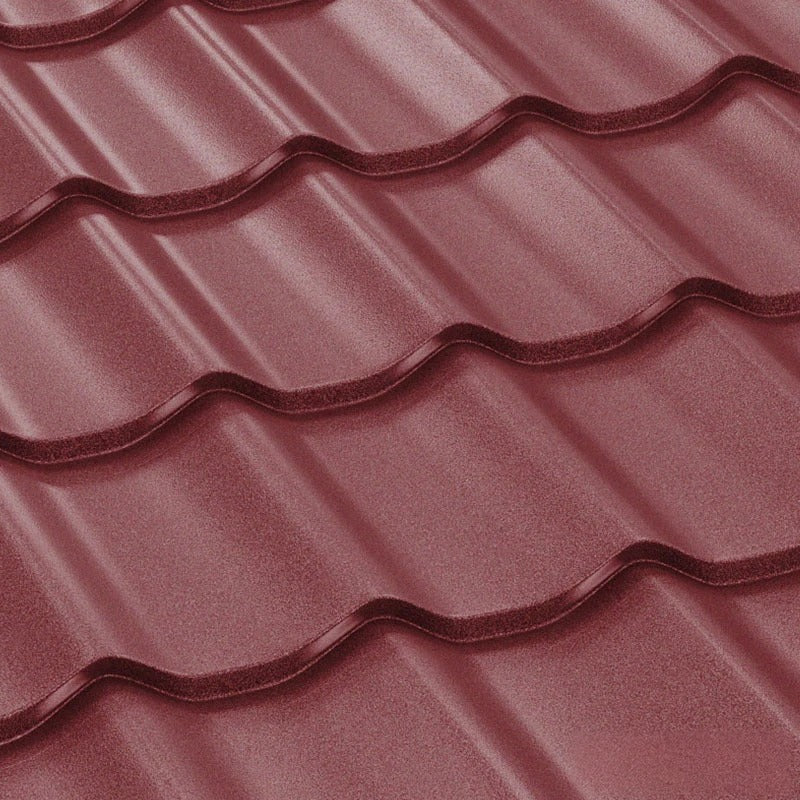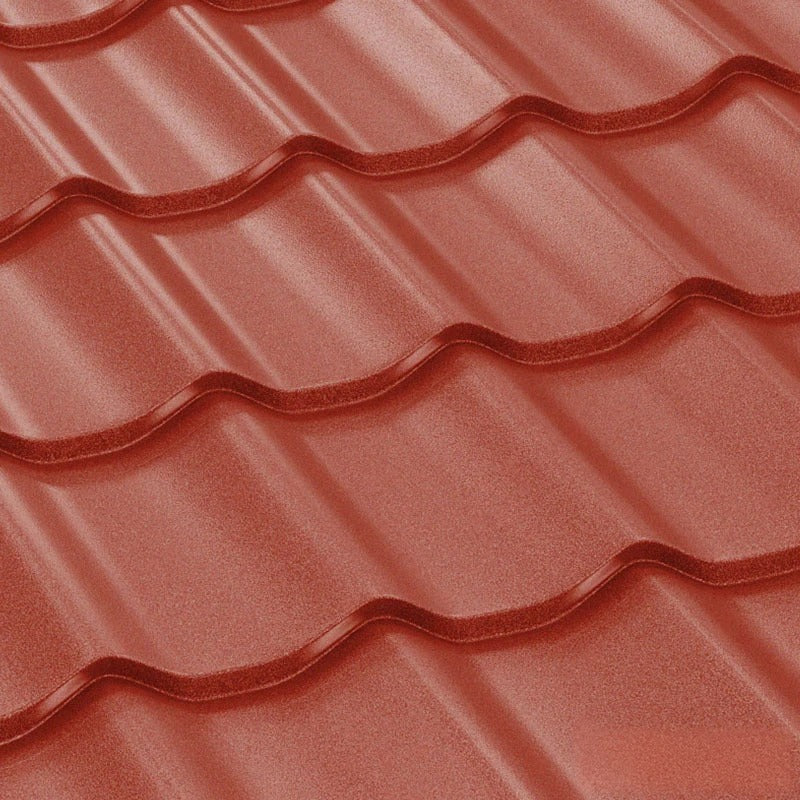

Roof thermal panels for warehouses, garages, and workshops are best chosen based on need, not habit. Roof sandwich panels may sound like the same product, but in reality, the thickness, profile, fasteners, and details around the eaves determine whether the roof will be practical or just more expensive than necessary. In this article, we will go through the clear choice for garages, warehouses, and workshops, compare when a thinner panel is sufficient, when denser insulation makes sense, and which additional materials should not be forgotten.
In short: for an unheated garage, a lighter and more economical solution is often sought; for a warehouse with more frequent use, it is reasonable to consider better roof thermal insulation; for a workshop where work is done for long hours during the day, thickness is no longer a minor detail but part of comfort, noise, and heating or cooling costs. At Lativa.bg you can compare Roof thermal panels, see the general category Thermal panels, and then complement the system according to the building.
Thermal panels for roofs according to actual use
The first question is not "what is the lowest price," but "how will the building be used." A garage where the car stays dry does not have the same needs as a production workshop with people, machines, and constant temperature. A warehouse for seasonal goods is also different from a warehouse with daily access, doors, ramps, and loading. That is why a roof thermal panel is not chosen only by square meters but by load, operating mode, and insulation expectations.
Question? What thickness of thermal panel do I need for a garage? Answer. If the garage is not constantly heated, it is often enough to look for a balanced panel that protects against moisture, overheating, and cold without unnecessary extra cost. Question? What roof panel should I choose for a workshop? Answer. For a workshop, consider more serious insulation, stable installation, and good connection to drainage, because the roof works every day there, not just looks nice.
Sandwich panels for warehouses with moderate insulation
For warehouses, the most common mistake is to think only about the immediate purchase. Yes, thermal panel price and installation of roof thermal panels are important searches, but the warehouse has another logic: loading, ventilation, height, vehicle entry, dust, noise, condensation. If there are no sensitive goods inside and no constant temperature is maintained, you don’t need to automatically jump to the thickest option. The smarter move is to compare thickness with the usage mode.
When the warehouse is part of a larger building, also consider the walls. The roof will not provide full effect if the facade is left as a weak detail. Therefore, for a more complete project, check out Wall thermal panels and Facade sheet metal. This way, the roof, walls, and claddings start working as one system, not as separate piecemeal purchases.
Roof panel for garage without unnecessary expense
For garages, people often ask: "Should I install a thicker thermal panel so I won’t regret it later?" The answer is a bit more practical: it depends on what you do inside. If the garage is only for a car, tools, and dry storage, don’t chase maximum thickness just because it sounds safer. However, if you use it as a workshop, small service area, or a place where you spend hours, then better insulation makes more sense.
For garages and sheds, sometimes an alternative is Roof sheet metal or Profiled sheet metal. The difference is simple: sheet metal is a covering, while the thermal panel combines covering and insulation in one element. If you want quick installation of sandwich roof panels and fewer separate layers, roof thermal panels are the tidier option. If you only want to cover a shed, profiled sheet metal can be a perfectly logical choice. Not everything has to be the most expensive; what matters is the right choice.
Insulation panels for workshops with heavier use
For workshops, thickness is a more serious topic. There are people, machines, movement, often heating, sometimes noise, and more internal moisture. Therefore, installation of sandwich roof panels should not be planned separately from ventilation, eaves, claddings, and drainage. A thinner panel may seem cost-effective at first, but if the building struggles to maintain temperature later, the savings won’t feel very pleasant.
Here it’s useful to think with three questions. How many hours a day is work done inside? Will there be heating or cooling? Are there machines that emit heat or noise? If the answers are "yes" and "a lot," it’s better to choose a roof thermal panel with more serious thickness. If the workshop is seasonal or semi-open, a more moderate option can be sought. Lativa.bg helps exactly with this comparison: so you don’t buy too little, but also don’t pay for something the building won’t use.
Roof system with the right details
Thickness is important, but it’s not the whole roof. Even a good thermal panel can cause problems if the details are underestimated. Screws with seals, caps, claddings, edge sheet metal, eaves flashing, roof gutters, and side roof cladding — these are the small things that protect the system from leaks and crooked compromises. It sounds a bit boring, but this is exactly where peace of mind is earned.
If the roof is larger, plan in time for a Gutter system or Seamless gutters. For garages, warehouses, and workshops, water does not forgive poor slope and unfinished eaves. For a cleaner finish, also see Eaves claddings. A good eave is not just a look; it protects the edges and makes the building look finished, not hastily assembled.
Sandwich panels or other roofing materials
Roof thermal panels are a strong choice when you want quick enclosure of the building, insulation, and a clean line. But they are not the only option. For houses with a more classic look, metal tiles, bitumen tiles, tile-type roof sheet metal, standing seam roofs, or profiled roof sheet metal are often compared. For warehouses, garages, and workshops, however, the question is rarely just aesthetics. Deadlines, maintenance, installation, and the ability to complete the entire system without long waits weigh heavily.
If the project is part of a roof repair or replacement of old covering, see Roof repair. If you plan to do it yourself or with a craftsman, the Installation instructions and How to install are useful. Not because you need to become a specialist overnight, but because this way you ask more precise questions and the order becomes clearer.
How to choose thickness without paying extra
Here is a working logic. For an unheated garage or shed, choose a practical panel that covers the roof and provides basic insulation. For a warehouse with people and goods, look for a better balance between thickness, price, and durable installation. For a workshop or room with constant work, think more seriously about thermal insulation, acoustics, and details around openings, gutters, and facade. Always check the structure, because the panel must fit the supporting base, not the other way around.
Question? Which thermal panels are best for a garage? Answer. Those that cover the actual need, not the thickest by default. Question? Does it make sense to install roof thermal panels for a warehouse? Answer. Yes, when you want quick enclosure, fewer separate layers, and a tidier detail. Question? How to reduce costs without compromise? Answer. Choose the right thickness, add the correct fasteners, and don’t skimp on drainage and claddings.
For a more complete project, combine the roof with Thermal insulation, Facade sheet metal L8 or Facade sheet metal. If the base is replaced, also check Wood material. This way you won’t end up with a nice panel on a poorly thought-out structure, which is unpleasant and costly in nerves.
Final choice of thermal panel for roof
The right choice is not one formula for all. The warehouse wants practicality, the garage wants a reasonable budget, the workshop wants more serious insulation and a stable detail. Roof thermal panels, roof thermal panel, sandwich panels, installation of sandwich roof panels, and roof thermal insulation are different words for one big solution: to enclose the building smartly, without paying for unnecessary things and without skimping on what’s important.
Before ordering, check the conditions in Guarantees and Delivery information. If you hesitate between thickness, profile, and complete system, send an inquiry via Contact. Get in touch with Lativa.bg, compare solutions calmly, and choose a roof for a warehouse, garage, or workshop that works well today and doesn’t make you worry about it tomorrow.