
Gutters and downpipes decide whether the large roof will overflow at the first heavy rain.
Drainage system estimated by eye almost always pays back the “savings” with a wet facade and unnecessary repairs.
We’ll go through a simple and straightforward plan: roof zoning, calculation for funnels, calculation for downpipes and positioning that keeps the facade clean. In the end, you have a ready order list and can transfer it to the cart without guessing.
The most important in a minute:
- Divide the roof into zones: slopes, gutters, terraces, and eaves lengths.
- Plan more outlets for long sections and heavy load points (internal corners).
- Don’t skip the accessories: angles, elbows, rainwater heads, brackets, fasteners.
- Choose the system type according to the shape: classic with modules or seamless line.
- For selection and quick order, see Drainage system.
Large roof and rain gutters: why one pipe is not enough
A large roof means more bends and points with higher flow: gutters, internal corners, places under a higher slope. There the gutter fills first, no matter how "new" it looks.
With a large area, one pipe is a risk: the gutter fills, overflows, and wets the facade. Then come stains, ice, minor corrosion, and headaches.
As a start, choose the direction: Classic drainage system is convenient for standard modules and phased additions, while Seamless gutters often win for long eaves because they reduce joint spots.
If the roof is a complex pitched roof, check Pitched Roofs for details around the eaves and how to make transitions to the gutter.

Drainage system zoning: the easiest method
Zone by slopes, gutters, and levels
Mark the slopes, gutters, and eaves lines. Each zone is an area that drains into a specific gutter section. Record two numbers for each zone: approximate area and gutter length. This is your map.
- One slope towards one eave = one zone.
- Two slopes towards a common eave = more heavily loaded gutter section.
- Valley between two slopes = place with more water for a short time.
Quick area calculation, without a project
If you don’t have a drawing: multiply the length of the eave by the horizontal width of the slope to get an estimate of the area. That’s how much you need to decide where to have more drainage points.
When is a reserve worthwhile
Add a reserve for very long eaves, internal corners, nearby trees, and tall facades. If you already have a problem, combine with replacement or repair through Roof Repair, instead of patching seasonally.
Calculation for funnels: how many and where to place them
The funnel is the transition between the valley and the pipe. For large roofs, the calculation is simple: instead of "collecting" everything at one point, distribute the water through multiple outlets. That’s the difference between "works" and "works always."
Along the length of the eave
For a long straight section, don’t make the water travel to one end. Divide the line into parts and plan more than one drainage point.
At heavily loaded points
At valleys and internal corners, water comes from two directions. There, a funnel placed closer is logical, not a luxury. If the drainage is far, the gutter fills first exactly at the risky spot.
Mini example for a large roof
You have an eave where two slopes and one valley meet. Divide the eave into two and plan two drainage points: one near the valley and one towards the lighter half. This way you avoid forcing the water to "circle" along the gutter.
How many funnels do I need for a large roof? Divide into zones and place drainage for each heavily loaded area.
Where is the gutter funnel placed? Where the gutter naturally collects water and there is a clear vertical path for the pipe.
Do I need a funnel at every corner? Not always, but at internal corners and valleys it is often a good idea.
For specific elements, coverings, and systems, see Classic gutter system and Seamless gutters, then complement with accessories according to your geometry.
Number of downspouts: practical logic for a large area
The number of downspouts depends on the number of funnels and where the pipe can realistically run along the facade. For large buildings, gutters and downspouts are easiest to order "vertically": each funnel should have its own path down without gymnastics.
Plan the verticals before ordering
Check that the pipe won’t fall over an entrance, window, or facade detail. The most discreet places are corners and column lines. Plan where the water will go at the bottom: channel, yard, drainage.
Systems and sizes: think about compatibility
You will often see different systems (for example, 125 and 150) and a pipe that fits the funnel and other elements. It’s more important to have enough pipes and proper transitions than to rely on one pipe to handle everything.

Don’t forget modules, elbows, and fasteners
Pipes are planned in modules, and the deviation from the eave to the wall is done with elbows. These are the "hidden" meters missing from the initial estimate. For a tall facade, clamps are critical; otherwise, the system loosens.
How do I calculate the number of downspouts? Take the number of funnels and check if each funnel has a reasonable vertical path to the ground.
How do I prevent gutters from overflowing during heavy rain? Distribute the water into more pipes and don’t leave long sections without drainage.
For installation, add Fasteners and Tools so you don’t have to stop halfway.
Seamless gutters or classic: a choice for long eaves
The seamless option is often calmer on long straight lines because it has fewer joints. The classic is practical when you have many bends and want easy supplementation with ready-made modules. Both work if properly planned and installed.
Which gutters are better? If you want a clean line and minimal joints, seamless gutters are a logical choice. If you want standard parts and quick replacement of individual pieces, the classic option is convenient.
A small habit helps: after a storm, check the funnels and corners for leaves. A clogged funnel overflows like a bucket, no matter how much the system costs.
How often should I clean the gutters? If you have trees around, a seasonal inspection is the easiest way to avoid overflow.
Budget: gutter price without the "small" traps
When looking for gutter prices or downpipe prices, check the set. For a large roof, small parts add up, and if you miss them, you buy twice.
- Corners and caps according to bends.
- Elbows for deviations and connections.
- Clamps and fasteners by height.
- Tank, connectors, and seals for reliability.
Work by zones: calculate the zone, choose parts for the zone, then move on. This way you rarely miss anything.
When doing a full project: combine with roofing materials.
If you are making a new roof or a major repair, the details around the eaves and gutter system are chosen together with the covering. This avoids compromises and additional costs.
- Coverings: Metal tiles, Roof sheet metal, Bitumen tiles.
- Facade and warmth: Thermopanels or Facade sheet metal.
- Base and insulation: OSB boards and Thermal insulation.
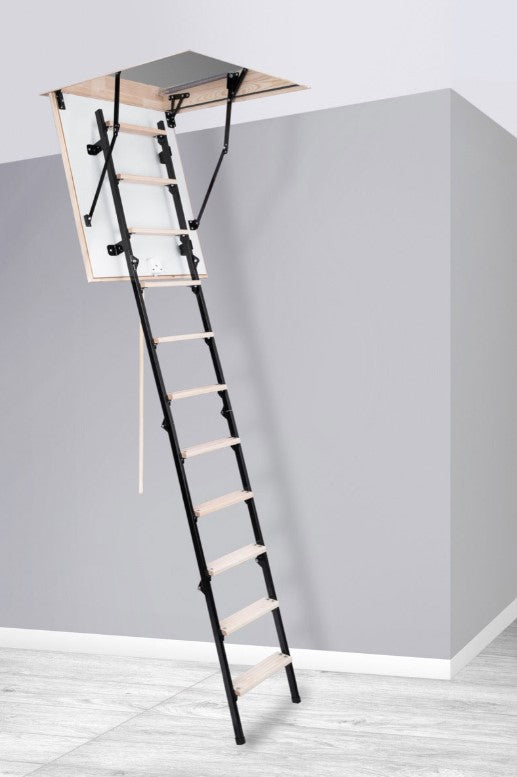
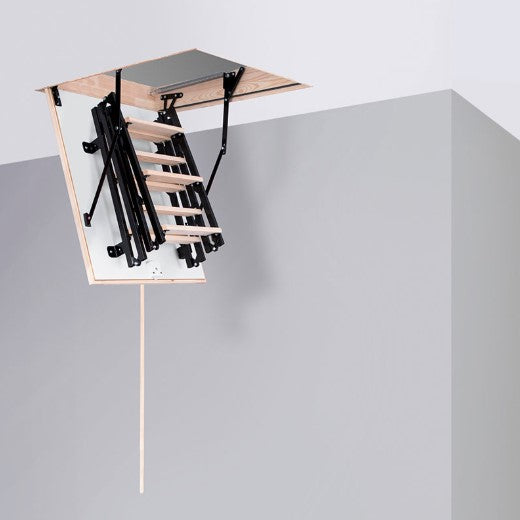
- Ceiling and light: Roof windows and Attic stairs.
- Construction: Wood Material.

Delivery and installation: finish it on time
For large orders, logistics is key. There are options for direct delivery for larger quantities, specialized transport to the site, and courier for smaller shipments. Check the details in Delivery Information.
For questions about orders, payment, and installation, open Frequently Asked Questions. If you are installing yourself, check Installation Instructions and How to Install.
And if you want professional consultation and installation, the fastest way is through Contact. This is exactly where LATIVA saves time and mistakes, sometimes a lot.
Conclusion: final checklist and action
- Zone the roof and record the area + gutter length.
- Plan funnels at busy points and long eaves.
- Check the verticals and count the downspouts, plus elbows and brackets.
- Gather all the small elements in a list before ordering.
Order the necessary elements now and complete your project calmly with gutters and downspouts.